
Botox in Maryland: The Complete Guide to Cost, Treatment and Results
The cost of Botox in Maryland generally ranges from $10 to $20 per unit. Most single-area treatments cost around $200 to $600, depending on the provider and the number of units used. It is as important to choose the right injector as it is to understand the price. This guide covers Botox costs across different regions of Maryland, who qualifies for treatment, what happens during a session, and how to realistically evaluate your results.
Table of Contents

Request a Wholesale Quote In Maryland
Are you buying for your clinic or aesthetic practice? Contact us today to find out more about our competitive bulk pricing on Botox, dermal fillers, skin boosters, mesotherapy products, needles and cannulas.
Shipping & Delivery
We make ordering professional aesthetic products simple and reliable:
- Fast processing and secure packaging for every order.
- Temperature-sensitive products are handled with appropriate care where required.
- Tracking information is provided once your order is dispatched.
- Bulk and wholesale shipping options are available for larger orders.
- Contact our team for international shipping availability and delivery estimates.
-
Skin Booster
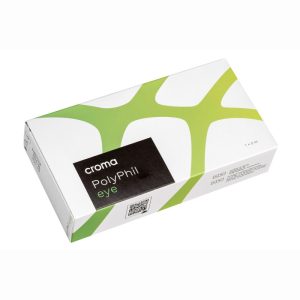
Croma PhilArt Eye 1x2ml Polynucleotide Injectable
$138.00Original price was: $138.00.$120.00Current price is: $120.00. Add to cart -
Skin Booster
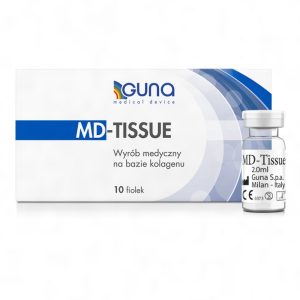
Guna MD-Tissue vials (10x2ml) – Derma Fillers
$130.00Original price was: $130.00.$100.00Current price is: $100.00. Add to cart -
Skin Booster
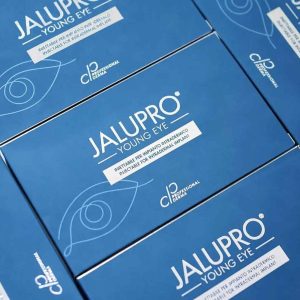
Jalupro Young Eye (1x1ml) – Derma Fillers
$114.00Original price was: $114.00.$104.00Current price is: $104.00. Add to cart -
Skin Booster
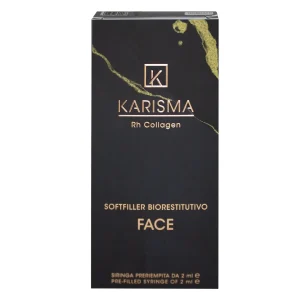
Karisma Rh Collagen Softfiller Face 2ml Pro Device
$160.00Original price was: $160.00.$108.00Current price is: $108.00. Add to cart
Key Takeaways
- Botox is priced per unit, not per treatment area, so your total depends on how many units your anatomy requires.
- The FDA-approved dose for frown lines is 20 units; other areas vary based on muscle strength and treatment goals.
- Expect visible softening within three to seven days, with full results appearing around two weeks.
- Most patients schedule maintenance every three to four months to sustain their results.
- Always verify your injector holds a valid medical license and has documented experience with facial injectables.
- Annual cost, not single-session cost, is the better way to compare providers.
- Common side effects like mild bruising are temporary, but you should disclose all medications before treatment.
Botox In Maryland Why More Residents Are Choosing This Treatment
Maryland is located within one of the most concentrated medical corridors in the United States. Thanks to its proximity to Johns Hopkins, the University of Maryland Medical System and the NIH campus in Bethesda, the state boasts an unusually large number of board-certified dermatologists, plastic surgeons and advanced practice providers trained in facial injectables.
This level of density creates competition, which benefits patients. Clinics across Montgomery County, Baltimore and Anne Arundel County routinely offer free consultations and transparent, unit-based pricing. Providers who want to retain patients in the long term are often willing to recommend fewer units rather than oversell.
Demand has also shifted towards a younger demographic. Many new patients in the DC-Baltimore area now seek preventive treatment in their late twenties and early thirties, aiming to delay the formation of wrinkles before deep lines develop. According to national data, this trend is consistent with the steady growth in minimally invasive cosmetic procedures among younger demographics, according to the American Society of Plastic Surgeons.
What is Botox and how does it work?
Botox is an FDA-approved neuromodulator consisting of purified botulinum toxin type A. When administered in small, precise doses, it temporarily reduces muscle activity in specific facial areas, resulting in less creasing of the overlying skin during expression.
One of the most common sources of confusion for first-time patients is the difference between Botox and dermal fillers. These are two completely different products used for different purposes.
If you are concerned about lines that only appear when you move your face, Botox is likely to be the most appropriate treatment. However, if you have noticed volume loss or a deep fold that remains visible when your face is at rest, filler is usually a better option. During your consultation, a qualified injector will explain this distinction rather than simply using whichever product you request.
How does Botox reduce wrinkles?
Botox works by temporarily blocking the nerve signal that instructs a muscle to contract. With reduced contraction, the skin above the muscle is no longer folded repeatedly throughout the day and existing expression lines gradually soften.
Results are temporary because nerve signalling regenerates over time. As the nerve endings recover, muscle movement returns and wrinkles reappear. This is why Botox requires regular top-ups rather than a single session. According to the FDA-approved prescribing information, the effect on moderate to severe glabellar lines lasts up to four months.
What are the benefits of Botox?
The main cosmetic advantage is achieving a smoother, more rested appearance without undergoing surgery or experiencing significant downtime. Most providers describe the desired outcome as looking refreshed rather than altered.
In addition to its cosmetic applications, Botox is approved by the FDA for several medical uses, including the treatment of chronic migraines (31 or more headache days per month) and severe primary axillary hyperhidrosis (excessive underarm sweating) that does not respond to topical treatments. Some patients in Maryland pursue treatment for these conditions and notice cosmetic improvement as an added bonus.
The convenience factor is significant. A typical appointment lasts between 15 and 30 minutes, and most patients can resume normal activities on the same day.
What is baby botox, and is it right for you?
Baby Botox uses the same product as standard Botox, but in smaller doses that are distributed more widely. The aim is to soften movement rather than stop it entirely, achieving a subtle effect that preserves natural facial expression.
Because fewer units are used per session, the initial cost is lower. The trade-off is duration. Lighter doses often wear off after around two months, meaning you may need to attend more frequent appointments. Over the course of a year, the total cost can be comparable to that of standard dosing.
Who is a good candidate for Botox?
Good candidates are usually healthy adults with dynamic wrinkles (lines caused by muscle movement) who have realistic expectations and no active skin infections at the intended treatment site.
Botox is not recommended for pregnant or breastfeeding individuals due to insufficient safety data. It is also contraindicated for individuals with certain neuromuscular conditions, such as myasthenia gravis or amyotrophic lateral sclerosis, and for those with a known allergy to any ingredient in botulinum toxin products. Some medications, including aminoglycoside antibiotics, may interact with the treatment. Disclose your full medication list during the consultation.
Deep static lines that remain visible when your face is completely at rest may not be fully resolved by Botox alone. Your provider should explain this during the assessment.
How do you find the best Botox injector in Maryland?
The best injector has the right medical qualifications, performs a high volume of treatments and has a portfolio of results that look natural. Experience is important because the ability to judge dosing accurately develops through repetition, not just by studying textbooks.
- Confirm they hold a valid Maryland medical license (MD, DO, PA, NP, or RN under physician supervision).
- Ask approximately how many Botox treatments they perform each month.
- Review at least 10 before-and-after photos showing patients with a similar age and skin type to yours.
- Look for photos showing natural expression, not just resting faces.
- Read patient reviews that mention follow-up care and handling of concerns, not only friendliness.
- Ask who manages complications if an issue arises after hours.
The American Academy of Dermatology offers guidance on choosing a qualified provider for injectable treatments.
How much does Botox cost in Maryland?
Botox in Maryland is usually priced per unit, with most providers charging between $10 and $20 per unit. Some clinics use a flat fee per treatment area instead. Per-unit pricing is generally more transparent, as it allows you to see exactly what you are paying for.
So, what does this look like in practice? Here is a calculation that most clinics skip. A patient receiving 40 units at $14 per unit would pay $560 per session. With three sessions per year, the annual cost is approximately $1,680. It is more accurate to compare annual costs than session costs when evaluating whether a cheaper per-unit rate actually saves money over time.
What is the average price per Botox unit by Maryland region?
Pricing varies across the state because clinic overhead, local demand, and provider credentials differ by area.
| Region | Typical Price Range | Primary Cost Driver |
|---|---|---|
| Bethesda and Chevy Chase | Higher end of range | High commercial rent, dense specialist competition |
| Rockville and Columbia | Mid to high | Strong suburban demand, physician-led practices |
| Baltimore City | Mid range | Broad provider mix across specialties |
| Western Maryland and Eastern Shore | Lower end of range | Lower overhead, fewer competing clinics |
A lower per-unit price does not automatically mean a better deal. If a less experienced injector uses more units to achieve the same result, the total cost may end up higher. Focus on the total quoted cost and the injector’s track record rather than the per-unit number alone.
How many units are needed for common treatment areas?
The number of units required depends on your individual anatomy, muscle strength, gender and treatment history. Men typically require more units than women due to their greater muscle mass in the forehead and brow area. The FDA-approved dose for moderate to severe frown lines is 20 units spread across five injection sites.
During your consultation, your provider will customise the unit count based on a facial assessment while you make various expressions.
Are there any Botox special offers or rewards programmes in Maryland?
Yes, the manufacturer of Botox Cosmetic, Allergan (now part of AbbVie), operates a national loyalty programme that allows patients to earn points on qualifying treatments and redeem them for discounts on future visits. Registration is usually free and can be done through your provider’s office.
Many clinics in Maryland also offer seasonal promotions, discounts for first-time patients, or package deals for multiple treatment areas. Ask about current offers when scheduling your consultation and confirm whether promotional pricing includes the same products and providers as those offered at standard rates.
Programme terms and promotional pricing change regularly. Therefore, you should verify the details directly with your provider before relying on any published offer.
Which facial areas can Botox treat?
The zones most commonly treated are the glabella (the area between the eyebrows), horizontal lines on the forehead, and crow’s feet around the eyes. Experienced injectors may also treat other areas, such as bunny lines on the nose, chin dimpling, platysmal bands on the neck and a gummy smile.
The treatment goals differ depending on the area. For example, forehead treatment aims to soften the appearance of lines while preserving a natural brow position. Treatment for crow’s feet aims to achieve smoothness without flattening a genuine smile.
Most treatment plans address more than one area because the face is a connected system. Treating frown lines alone can sometimes make an untreated forehead look busier in comparison. Your provider should discuss this during the planning stage.
What happens during a Botox injection appointment?
- Your provider reviews your goals, medical history, and current medications.
- They assess your facial anatomy while you make expressions (frowning, raising eyebrows, squinting).
- The treatment area is cleansed.
- Optional topical numbing cream or ice is applied.
- A series of small injections are administered using a very fine needle.
- Post-treatment instructions are reviewed and your follow-up is scheduled.
What should you expect at your first Botox appointment?
Your first visit will include a longer consultation than subsequent sessions. You can expect to be asked about your medical history, any neuromuscular conditions you have, the medications and supplements you are currently taking, any previous injectable treatments you have had, your allergies, and what specifically bothers you about your appearance.
Prepare for your appointment by avoiding alcohol for 24 hours. With your physician’s approval, you should also stop taking blood-thinning supplements such as fish oil, vitamin E and aspirin several days beforehand to reduce the risk of bruising. Arrive with no heavy make-up on the treatment area.
What results can you expect from Botox?
Results develop gradually. Most patients notice initial softening by day three, with the full effect visible after approximately two weeks. First-time patients expecting the instant change that dermal fillers provide may be surprised that nothing happens immediately.
The outcome varies depending on muscle strength, line depth, dosage and whether the lines are purely dynamic or have become static over time. The first treatment is often a calibration session. Your injector may adjust the dosage at the two-week follow-up appointment based on how your muscles have responded.
Avoid evaluating your results before the two-week mark. Making an early assessment often leads to the unnecessary addition of units.
How long does Botox last?
According to FDA labelling for the approved cosmetic indications, Botox typically lasts three to four months for most patients. Some patients notice the effects beginning to fade after approximately 10 weeks, while others see results last closer to five months.
The duration may be shortened by factors such as a faster metabolism, intense and frequent exercise, significant sun exposure, smoking and an initial conservative dosing regimen. Patients who adhere to a consistent treatment schedule often report that the results seem to last slightly longer over time, likely because the treated muscles gradually weaken with repeated cycles of reduced activity.
Rather than waiting for full return of movement, schedule follow-up appointments roughly every three to four months. Treating the condition before muscle activity has fully returned tends to produce smoother, more consistent results.
How should you care for your skin after having Botox?
Proper aftercare is simple but genuinely affects your outcome. The primary concern is preventing the product from migrating away from the intended injection site.
| Timeframe | Recommendation |
|---|---|
| First 4 hours | Stay upright; avoid lying flat |
| First 24 hours | Do not rub, press, or massage the treated area |
| First 24 to 48 hours | Avoid strenuous exercise, saunas, hot yoga, and excessive heat |
| First 2 weeks | Skip facials, chemical peels, microneedling, and laser treatments |
| Ongoing | Apply daily sunscreen; maintain a consistent skincare routine |
Sunscreen and hydration support the health of the surrounding skin but do not extend how long the neurotoxin remains active. Sleep on your back the first night if possible.
Are there any risks or side effects associated with Botox?
As with any medical procedure, Botox can have side effects. Most of these are mild and temporary. The risk of rare complications is significantly reduced when the treatment is carried out by a qualified and experienced injector with a good understanding of facial anatomy.
You should always disclose your complete medical history, including all prescription medications, over-the-counter supplements and any previous cosmetic procedures, before treatment. If you experience any difficulty swallowing, breathing or speaking after your appointment, contact a medical professional immediately.
Frequently Asked Questions About Botox in Maryland
Why are more residents in Maryland choosing Botox?
The strong competition created by Maryland’s dense concentration of board-certified dermatologists, plastic surgeons and licensed nurse injectors benefits patients through transparent pricing and widely available consultations. Interest in preventive treatment is growing among patients in their late twenties and thirties, which has increased demand across the state.
How long does Botox last?
Based on FDA-approved labelling for cosmetic use, Botox results typically last three to four months. The duration varies depending on individual metabolism, dosage, muscle strength and how consistently the treatment is carried out. Patients who maintain a regular treatment schedule often notice that the results steadily hold over successive treatments.