
Botox In Illinois: What You Need To Know Before Your Treatment
If you are considering Botox in Illinois, you need clear answers on cost, who can inject it, and what a visit actually involves. This treatment is a medical procedure, not a beauty-store purchase. Licensed clinics across Chicago and the rest of the state offer it, but prices, training, and product choices vary widely.
Table of Contents

Request a Wholesale Quote In Illinois
Buying for your clinic or aesthetic practice? Contact us for competitive bulk pricing on Botox, dermal fillers, skin boosters, mesotherapy products, needles, cannulas, and other professional aesthetic supplies.
Shipping & Delivery
We make ordering professional aesthetic products simple and reliable:
- Fast processing and secure packaging for every order.
- Temperature-sensitive products are handled with appropriate care where required.
- Tracking information is provided once your order is dispatched.
- Bulk and wholesale shipping options are available for larger orders.
- Contact our team for international shipping availability and delivery estimates.
-
Skin Booster
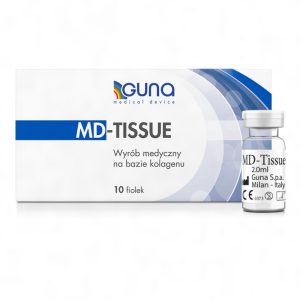
Guna MD-Tissue vials (10x2ml) – Derma Fillers
$130.00Original price was: $130.00.$100.00Current price is: $100.00. Add to cart -
Skin Booster
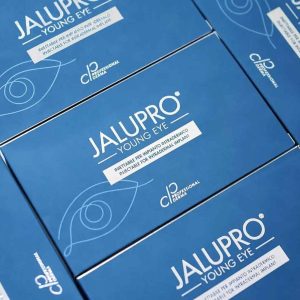
Jalupro Young Eye (1x1ml) – Derma Fillers
$114.00Original price was: $114.00.$104.00Current price is: $104.00. Add to cart -
Skin Booster
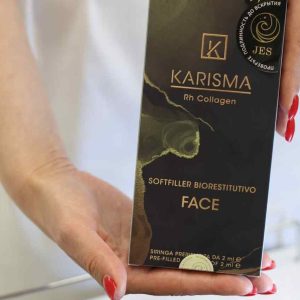
Karisma Rh Collagen Softfiller Face 2ml Pro Device
$160.00Original price was: $160.00.$108.00Current price is: $108.00. Add to cart -
Skin Booster
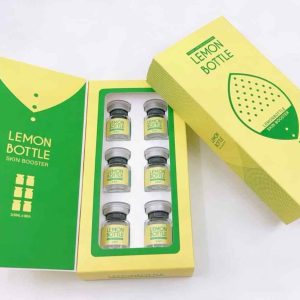
Lemon Bottle Skin Booster 3.5ml x 6 Vials Overview
$190.00Original price was: $190.00.$170.00Current price is: $170.00. Add to cart
Key Takeaways
- Typical advertised Botox fees in Illinois often fall around $10 to $20 per unit, and your total depends on how many units your face needs.
- Confirm that the injector holds an active Illinois license and that a physician is involved in the care plan.
- Ask to see an unopened, FDA-approved vial and the lot number before any injection.
- Results usually begin within a few days and commonly last about three to four months.
- Botox treats expression lines. It does not lift sagging skin or replace filler volume.
Botox In Illinois
Botox remains one of the most requested cosmetic treatments among Illinois adults who want to soften frown lines, forehead creases, and crow’s feet without surgery. Interest stays high because the visit is short, downtime is usually limited, and results look gradual rather than dramatic when dosing is conservative.
You will find treatment in downtown Chicago, the North Shore, western suburbs such as Naperville and Oak Brook, and smaller cities including Springfield, Peoria, and Champaign. Availability is not the hard part. Choosing a safe setting is.
This page covers typical Illinois pricing, how to compare clinics, who may inject under state licensing rules, how the drug works, how long smoothing lasts, and how Botox compares with other prescription neuromodulators. It is written for people who are close to booking, including readers comparing brand names they have seen online. In the United States these products are prescription drugs. They should be administered in a licensed medical setting, not purchased for home use.
How Much Does Botox In Illinois Cost?
Illinois clinics commonly advertise Botox by the unit. Many practices list about $10 to $20 per unit. Some premium Chicago offices charge more. A few high-volume or membership menus advertise a lower unit rate. Your invoice is almost never one posted number. It is units times the fee, plus any consult or facility charge.
A cosmetic visit often uses roughly 20 to 60 units, depending on zones treated and muscle strength. The FDA-labeled Botox Cosmetic dose for frown lines is 20 units. Forehead lines and crow’s feet add more units when treated at the same visit. Men often need higher doses because the muscles are typically thicker.
Treat every figure here as a planning range, not a quote. Rent, injector training, and demand all move the price. Ask for a written estimate after someone examines your face at rest and in motion.
Use this table to see why two Illinois quotes can differ before you assume one clinic is overcharging.
| Planning item | What usually changes the bill |
|---|---|
| Geographic area | Downtown Chicago and North Shore offices often price higher than smaller cities. |
| Billing method | Per-unit pricing is easier to compare than a flat “area” fee. |
| Units required | Stronger muscles and extra zones raise the total. |
| Who injects | A board-certified dermatologist or plastic surgeon may charge more than a supervised nurse injector. |
If a quote sits far below the local range, ask why. A deep discount can mean diluted product, a non-FDA vial, or an injector still building skill. The American Society of Plastic Surgeons publishes a botulinum toxin overview that helps you compare a local quote with standard procedure facts. A fair fee at a licensed clinic is safer than a bargain in an unregulated room.
Where Can You Find The Best Botox Providers In Illinois?
No public ranking names the single best injector in Illinois. The best provider for you is a licensed clinician who assesses your anatomy, explains limits, and uses authentic product. You will see hospital-affiliated dermatology and plastic surgery offices, independent medical practices, and medical spas. A physician-led office may feel more clinical. A medical spa may feel more retail. Either model can be appropriate if medical responsibility is clear.
Compare more than chandelier lighting and Instagram lighting. Confirm who performs the injection, who is on site, and what happens if a complication occurs after hours. Read reviews for comments about bruising, communication, and whether results looked natural, not for miracle language. Many clinics also offer fillers, peels, or lasers. Combination menus are useful only after the injector explains what Botox cannot do.
Bring this list to every consult:
- What Illinois license do you hold, and what is the license number?
- Who will hold the syringe, and who supervises if that person is not a physician?
- Which FDA-approved product and lot number will you use?
- How many units do you recommend for each zone, and what will that cost if I need a two-week adjustment?
- What is your plan if my eyelid feels heavy or my brow drops?
What Qualifications Do You Need To Inject Botox In Illinois?
Injecting a prescription neuromodulator is the practice of medicine, not a beauty-school service. In Illinois, physicians (MD and DO) may administer Botox. Advanced practice registered nurses and physician assistants may do so when it falls within their authorized scope and practice arrangement. Registered nurses may inject only with appropriate training, an order, and lawful delegation or supervision. Estheticians, cosmetologists, and unlicensed “injectors” should not run this treatment on their own.
A weekend certificate does not replace a professional license or knowledge of facial anatomy. Before you book, look up the named injector on the IDFPR license lookup. Confirm the license is active and matches the person you will meet. If the website lists only first names or influencers, keep shopping.
What Areas Can Botox Treat?
Botox is used most often on dynamic wrinkles, the lines created by repeated expression. The usual cosmetic zones are horizontal forehead lines, the vertical frown lines between the brows, and crow’s feet at the outer eyes. Some clinicians also treat a chin dimple, a gummy smile, or prominent neck bands after a full exam. Those uses require extra judgment and are not automatic add-ons.
The drug does not fill a crease that is present when your face is completely still, and it does not restore lost cheek volume. Those problems need a different plan. An injector should watch you frown, raise your brows, and smile, then mark points that preserve a natural look rather than a frozen forehead.
The labeled starting doses below are from Botox Cosmetic prescribing information for common upper-face uses. Your dose may differ.
| Area | FDA-labeled Botox Cosmetic dose | Planning note |
|---|---|---|
| Frown lines (glabella) | 20 units across 5 points | This is the usual labeled frown-line dose. |
| Forehead lines | 20 units when treated with the frown complex | Treating the forehead alone can drop the brows if frown muscles are ignored. |
| Crow’s feet | 24 units total (12 per side) | Eye-area placement must stay precise. |
What Is Botox And How Does It Work?
Botox is the brand name for onabotulinumtoxinA, a purified botulinum toxin type A protein. In tiny medical doses it is a neuromodulator. It does not “fill” skin. After injection into a targeted muscle, it blocks release of acetylcholine, the chemical a nerve uses to tell that muscle to contract. The muscle eases. Skin above a dynamic wrinkle can look smoother.
The word toxin worries people, for good reason if the product is counterfeit, overdosed, or injected by someone who does not know the anatomy. In licensed cosmetic use, the dose is small and local. Effects wear off as nerve signaling recovers. Official Botox prescribing information describes approved uses, recommended doses, and safety limits. Read clinic marketing against that label, not the other way around.
How Long Do Botox Results Last?
Smoothing commonly lasts about three to four months. Some people metabolize the effect closer to two or three months. Others hold closer to four. Early change often appears in three to seven days. Many clinicians judge the full result at about two weeks and, if needed, add a small conservative touch-up then.
Duration depends on dose, muscle strength, the zone treated, and your individual response. A very athletic metabolism is sometimes blamed for a shorter effect, though dosing and placement matter more than gym habits. Repeat treatment can make a strong frown muscle easier to manage, but it does not make results permanent. Budget for maintenance several times a year if you want the same look.
What Happens During A Botox Treatment?
Expect a consult, a facial assessment, and a short injection visit. After history and photos, the clinician watches your expressions and marks points. The injections usually take 10 to 15 minutes. The needle is fine. Most people feel a brief pinch. Ice or topical numbing is optional.
To lower bruise risk, many clinics ask you to avoid alcohol and, if your prescribing clinician agrees, nonessential blood-thinning medicines or supplements for several days beforehand. Do not stop a prescribed blood thinner on a blog’s advice.
Afterward, typical instructions are to stay upright for several hours, leave the points alone, and skip strenuous exercise for the rest of the day. Mild redness or swelling can fade the same day. Makeup policies vary; ask before you paint over fresh punctures. Call the office if you have trouble swallowing, speaking, or breathing, or if an eyelid droops.
Is Botox Right For You?
Botox may suit adults who want softer expression lines and accept temporary results. It is a poor fit if you expect a facelift, are pregnant or breastfeeding, have an infection at the site, or have a significant neuromuscular disease such as myasthenia gravis, unless a qualified physician has taken that risk with you. Allergies to any botulinum toxin product or to ingredients in the vial are also stop signs. Only an in-person medical consult can decide candidacy.
Personal goals matter. If you want to look rested on camera but still able to look surprised, say so. If you want every forehead line gone, you may be asking for a heavy brow. Anatomy matters too. A low brow, extra eyelid skin, or prior surgery changes where product should not go.
This short quiz routes your next step. It is not a diagnosis and does not replace a licensed clinician.
Question 1. What do you need most right now?
- A) A realistic budget. Go to Question 2.
- B) Help vetting a clinic. Go to Question 3.
- C) Help comparing Botox with other brands. Read “What Other Neuromodulator Options Are Available?” then book a consult rather than buying a vial online.
Question 2. Is your plan based on a per-unit estimate times a labeled dose range?
- If yes, call two licensed clinics and compare written unit totals, not only the unit price.
- If no, return to the cost section and ask each office how many units they expect for frown lines, forehead, and crow’s feet.
Question 3. Can you name the injector and confirm an active Illinois license?
- If yes, ask to see the sealed FDA-approved vial on the day of treatment.
- If no, do not book. Verify credentials first.
What Are The Benefits And Risks Of Botox?
The main benefit is softer dynamic wrinkles with little downtime. Many people return to desk work the same day. Dosing can be tailored, and the effect is reversible with time. Those advantages hold only when product, dose, and placement are appropriate.
Common short-term effects include redness, swelling, bruising, tenderness, and occasional headache. Less common but important effects include a drooping eyelid or brow, a crooked smile, dry eye, or unwanted spread of muscle weakness. The FDA label carries a boxed warning about the spread of toxin effects, which can cause swallowing or breathing problems. That risk is better known with high medical doses, but it is why amateur injection and unapproved product are dangerous.
This page cannot list every risk. Discuss your medicines, prior reactions, and eye or neurologic history with the treating clinician.
| Upside people want | Common, usually temporary effects | Reasons to pause or seek urgent care |
|---|---|---|
| Softer frown, forehead, or crow’s-feet lines | Redness, swelling, bruise, mild headache | Trouble swallowing, speaking, or breathing |
| Short visit and little downtime | Heavy brow or uneven movement | Eyelid droop that affects vision |
| Adjustable, time-limited effect | Flu-like ache in some people | Signs of infection or a severe allergic reaction |
What Other Neuromodulator Options Are Available?
Botox is one FDA-approved botulinum toxin type A brand, not the only one. U.S. clinics may also use Dysport, Xeomin, Jeuveau, Daxxify, and Letybo when the clinician selects them for an approved use. Units are not interchangeable. Never convert a Botox number to another brand yourself.
People who search for Nabota are usually seeing the Korean brand name for prabotulinumtoxinA. The FDA-approved U.S. product from that family is Jeuveau, supplied through licensed channels. People who search for Botulax are usually seeing an international letibotulinumtoxinA name. The related FDA-approved U.S. product is Letybo. Neither search term is a green light to import vials or buy “research” toxin. The FDA has warned the public not to use counterfeit Botox products. If a seller will ship a vial to your home, walk away.
| U.S. clinic product | Also known as | Consumer comparison point |
|---|---|---|
| Botox (onabotulinumtoxinA) | Botox Cosmetic | Longest U.S. cosmetic track record; units are the usual reference point. |
| Dysport (abobotulinumtoxinA) | Dysport | Different unit scale; some patients notice onset a bit sooner. |
| Xeomin (incobotulinumtoxinA) | Xeomin | No accessory complexing proteins in the vial. |
| Jeuveau (prabotulinumtoxinA-xvfs) | Nabota outside the U.S. | FDA-approved U.S. brand; still prescription-only. |
| Letybo (letibotulinumtoxinA-wlbg) | Related to Botulax naming abroad | FDA-approved in 2024 for frown lines; not a DIY product. |
Daxxify is another FDA-approved option some clinics use when a longer interval is the goal. Duration still varies by person.
What Makes Xeomin Different From Botox?
Xeomin contains incobotulinumtoxinA without the accessory complexing proteins found in some other vials. Clinicians sometimes describe it as a “naked” toxin. That formulation difference is real. A proven, routine cosmetic advantage against antibody resistance is not. If a prior brand seemed to stop working, ask a qualified injector whether a switch is reasonable. Do not assume Xeomin is automatically better or cheaper per result. Unit pricing and unit counts differ.
What Is Dysport And How Does It Compare To Botox?
Dysport is abobotulinumtoxinA. It treats the same class of expression lines when used appropriately, but its units do not equal Botox units. A lower “price per unit” can still cost the same once the dose is matched. Some injectors like Dysport for broader forehead patterns because they believe it diffuses a bit more. Diffusion is a placement issue as much as a brand issue. Poor technique with any product can weaken the wrong muscle. Choose the injector first, then let that person recommend a brand for your face.
Why Choose A Trusted Provider For Your Botox Treatment?
Technique, product integrity, and follow-up matter more than a coupon. A careful consult should include your goals, medicines, photos, and a dose plan you understand. Natural results come from leaving enough movement for speech and expression. Hard-sell packages that prepaid a year’s worth of units before anyone watched you frown are a warning sign.
Use case 1. A 38-year-old in Naperville has new frown lines and two quotes: a medical spa at $11 per unit with an unnamed “lead injector,” and a dermatology office at $16 per unit with a physician’s license number on the site. The useful move is not grabbing the $11 rate. It is confirming who injects, checking IDFPR, and comparing total units for the same three zones.
Use case 2. A 46-year-old Loop professional has used Botox for years and now asks for Nabota or Botulax after seeing social videos. The useful move is to ask a licensed clinic whether Jeuveau or Letybo is an appropriate FDA-approved option, not to buy a foreign vial. If the last brand faded faster, the clinician should review dose, interval, and authenticity before switching.
If you are ready to proceed, schedule an in-person consultation with a licensed Illinois practice and leave with a written unit map and a product name, not a vague “area special.”
Frequently Asked Questions About Botox In Illinois
How Much Does Botox Cost Per Unit In Illinois?
Many Illinois offices advertise about $10 to $20 per unit, with some urban practices above that band. Your cost equals units times that fee. Frown lines alone may be billed around a 20-unit labeled dose, while forehead and crow’s feet increase the total. Ask whether follow-up units at two weeks are included.
How Can You Save Money On Botox Treatments?
Safe savings come from transparent unit pricing, not from unmarked vials. Manufacturer loyalty programs such as AbbVie’s Allē (Botox), Galderma’s Aspire (Dysport), and Merz’s Xperience (Xeomin) can apply credits if the clinic participates. Some practices sell memberships that lower the unit price in exchange for a monthly fee. Those plans help only if you already know you will maintain treatment and you can leave without a punitive contract.
Do not stretch visits so far that you ask for a huge “catch-up” dose. Do not split a syringe with a friend. Do not buy toxin advertised for “research use” or for export. If you want a lower ongoing cost, compare two licensed clinics’ unit totals and loyalty options, then join a documented program the office actually runs.
Who Can Legally Administer Botox In Illinois?
As a rule, Botox in Illinois should be administered by a licensed physician or by another licensed clinician such as an APRN, PA, or RN working within Illinois scope-of-practice and delegation rules. The exact supervision structure depends on the professional’s license and the clinic’s arrangement. It can change when statutes or board guidance change. This article is not legal advice.
Before you lie down, get the injector’s full name and license number and verify both with IDFPR. Ask who the collaborating or supervising physician is if the injector is not a physician. If no one can answer, do not proceed.