
Botox In Georgia How To Find Trusted Treatments And Providers Near You
Choosing a Botox provider in Georgia means weighing cost, credentials, and safety before a single unit is injected. Prices vary between cities and clinic types, and not every person offering injections meets the same legal requirements under Georgia law. A wrong choice can lead to unnatural results, wasted money, or real health risks. This guide breaks down Botox pricing in Georgia, clarifies who is legally allowed to inject, compares Botox with Dysport, and shows you how to find a trusted provider near you.
Table of Contents

Request a Wholesale Quote In Georgia
Are you buying for your clinic or aesthetic practice? Contact us today to find out more about our competitive bulk pricing on Botox, dermal fillers, skin boosters, mesotherapy products, needles and cannulas.
Shipping & Delivery
We make ordering professional aesthetic products simple and reliable:
- Fast processing and secure packaging for every order.
- Temperature-sensitive products are handled with appropriate care where required.
- Tracking information is provided once your order is dispatched.
- Bulk and wholesale shipping options are available for larger orders.
- Contact our team for international shipping availability and delivery estimates.
-
Skin Booster
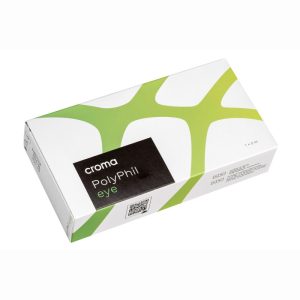
Croma PhilArt Eye 1x2ml Polynucleotide Injectable
$138.00Original price was: $138.00.$120.00Current price is: $120.00. Add to cart -
Skin Booster
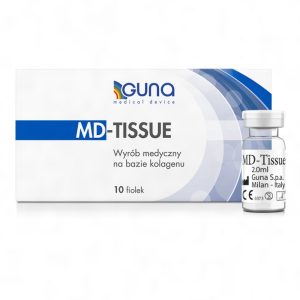
Guna MD-Tissue vials (10x2ml) – Derma Fillers
$130.00Original price was: $130.00.$100.00Current price is: $100.00. Add to cart -
Skin Booster
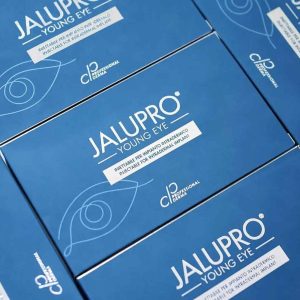
Jalupro Young Eye (1x1ml) – Derma Fillers
$114.00Original price was: $114.00.$104.00Current price is: $104.00. Add to cart -
Skin Booster
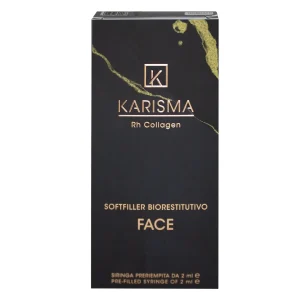
Karisma Rh Collagen Softfiller Face 2ml Pro Device
$160.00Original price was: $160.00.$108.00Current price is: $108.00. Add to cart
Key Takeaways
- Botox in Georgia typically costs between $10 and $16 per unit, with total session prices depending on treatment area, number of units, and provider location.
- Georgia law requires a good faith medical examination before Botox injections can take place.
- Dysport and Botox both use botulinum toxin type A but differ in dosing units, onset speed, and diffusion patterns.
- Always verify your injector’s license and supervision agreement before receiving treatment at any clinic or med spa.
- Results from Botox typically last three to four months, though metabolism and treatment area affect duration.
- Membership and loyalty programs at Georgia clinics can meaningfully reduce per-unit costs for regular clients.
Botox in Georgia: A Complete Guide to Costs, Providers, and Results
This guide covers everything you need to know before booking Botox treatment in Georgia. It provides current pricing ranges, information on which providers are legally qualified, a comparison of Botox and Dysport, and practical advice for evaluating clinics. All cost figures listed here are approximate ranges based on typical market pricing in Georgia. However, a consultation with a licensed provider remains the most accurate way to obtain a personalised quote and treatment plan for your specific requirements.
What are the most popular Botox treatments in Georgia?
The three most requested Botox procedures across Georgia are forehead smoothing, frown line correction and crow’s feet treatment. Masseter slimming and lip flipping have steadily grown in popularity, particularly among clients seeking subtle facial contouring rather than complete wrinkle elimination.
Due to Georgia’s warm climate and outdoor culture, many clients prioritise treatments around the eyes and forehead, as sun exposure accelerates the formation of fine lines in these areas. The popularity of jaw slimming has also grown as clients discover that Botox can reduce teeth grinding while reshaping the lower face.
Clinics in Georgia commonly offer Dysport, Xeomin and Jeuveau alongside Botox. Each of these products is an FDA-approved botulinum toxin type A with a different formulation, unit measurement and price. Only use products that carry FDA approval. Non-FDA-approved botulinum toxin products sold outside of regulated channels can pose serious safety risks, including contamination and incorrect dosing.
How much does Botox cost in Georgia?
The price of Botox in Georgia generally ranges from $10 to $16 per unit, depending on the location of the clinic, the experience of the provider, and the brand of the product. The total cost of your session depends on how many units your treatment area requires. Getting a personalised quote during your consultation will give you a more accurate idea of the cost than statewide averages alone.
What is the average cost per unit of Botox in Georgia?
Most providers in Georgia charge between $10 and $16 per unit for Botox. Clinics in Atlanta’s most popular neighbourhoods tend to charge closer to the upper end of this range. Practices in smaller cities and suburban areas may charge closer to $10 per unit.
The rates charged by providers and clinics are influenced by their experience and reputation. A board-certified dermatologist or plastic surgeon with years of injection experience may charge more than a newer medical spa. This higher price often reflects a more precise technique, stronger safety protocols and a lower risk of complications. The cheapest option is not necessarily the safest.
How much does Botox cost per treatment area?
The number of units required varies dramatically between treatment areas. For example, a lip flip may require just four to six units, whereas masseter reduction can necessitate 30 to 60 units on both sides.
These estimates are based on a per-unit price of between $10 and $16, but clinics that charge by treatment area rather than by unit may have different prices. Individual anatomy also matters. For example, someone with stronger facial muscles may require more units for the same area. Your provider should assess your movement patterns during the consultation and provide a unit estimate before commencing treatment.
Who is legally allowed to inject Botox in Georgia?
In Georgia, Botox injections are regulated as medical procedures. Only appropriately licensed healthcare professionals can administer them. The Georgia Composite Medical Board and the Georgia Board of Nursing are responsible for setting the rules that govern who can administer them, the level of supervision required and the necessary documentation.
Understanding these credentials protects you. Using a licensed, qualified injector who works under a proper protocol reduces your risk of complications, poor results and regulatory problems for the clinic.
What does the good faith examination rule require for Botox in Georgia?
In Georgia, a good faith examination is a threshold requirement before any Botox injection. Before treatment begins, a physician, nurse practitioner or physician assistant must evaluate your medical history, assess your facial anatomy and confirm that you are a suitable candidate.
This examination must be carried out before a treatment plan can be created. It cannot be skipped, rushed or conducted over the phone. If a clinic offers to treat you without conducting a face-to-face medical evaluation first, that is a significant red flag. Walk away and find a provider who follows the proper process.
What can standing orders and protocols cover?
A standing order is a pre-authorised protocol written by a doctor that allows qualified clinical staff to perform specific procedures under defined conditions. In Georgia, a valid standing order can authorise a nurse practitioner, physician assistant or registered nurse to administer Botox, provided that the protocol specifies the treatment parameters, dosing guidelines and emergency procedures.
The critical distinction here is that a valid protocol includes documented physician oversight, patient record review and accessible emergency support. Unsupervised delegation, where no physician meaningfully reviews patients or treatment plans, does not meet this standard.
Which scope of practice applies to each provider type?
What are the most common scope of practice violations in Georgia med spas?
The most frequent violations include registered nurses administering injections without conducting a documented good faith examination, clinics operating without a supervising physician who actively reviews patient records, and out-of-state delegating physicians with no meaningful oversight.
These violations put you at risk. If something goes wrong during treatment, an unsupervised injector may not have the necessary training or authority to deal with any complications that arise. Before booking, ask the following three direct questions: Who will perform my medical evaluation? Who supervises the injector? Where is the supervising physician located? If the clinic cannot answer these questions clearly, look elsewhere.
Where can you find trusted Botox providers in Georgia?
In Georgia, Botox is available at dermatology practices, plastic surgery clinics, specialised medical spas, and multi-specialty aesthetic centres. The level of medical oversight, pricing and convenience varies between each type.
Reputable providers openly share their injectors’ credentials, list transparent pricing and display verified patient reviews. Meeting a provider for a consultation visit is the best way to find out about their skill and communication style.
Why should you trust a specific provider for your Botox treatment?
Trust is built through consistent results, honest communication and verified credentials. A provider who explains what Botox can and cannot achieve, sets realistic expectations and keeps a record of your treatment history will provide you with more value than one who offers the lowest price.
Which areas can Botox and Dysport treat?
Botox and Dysport are used to treat dynamic wrinkles caused by repeated muscle movements. The most common treatment areas are the forehead, the area between the eyebrows (the glabella) and the area around the eyes (crow’s feet). In addition to reducing wrinkles, neuromodulators can be used to address excessive sweating, chronic migraines and jaw tension when administered by qualified professionals in accordance with approved clinical indications.
What is the difference between Botox and Dysport?
Although both Botox and Dysport contain botulinum toxin type A, they behave differently after injection. Dysport molecules tend to spread across a wider area, making it ideal for treating larger zones, such as the forehead. In contrast, Botox remains more concentrated at the injection site, making it ideal for treating specific areas such as crow’s feet. The American Society of Plastic Surgeons provides detailed safety guidance on botulinum toxin procedures.
Who is a good candidate for Botox or Dysport?
Good candidates are generally healthy adults over the age of 18 who have visible dynamic wrinkles or muscle-related concerns. The American Academy of Dermatology recommends sharing your full medical history with your practitioner before undergoing any wrinkle treatment.
Treatment may be delayed or disqualified due to factors such as pregnancy, breastfeeding, active skin infections at the injection site, known allergies to botulinum toxin products and certain neuromuscular conditions.
What should you expect during and after your Botox treatment?
A typical Botox appointment lasts between 15 and 30 minutes. First, your provider will clean the treatment area and may apply a topical numbing agent. Then, they will use a fine needle to inject small amounts of the product into the targeted muscles. Most clients describe the sensation as a brief pinch rather than significant pain.
Mild redness, swelling or small bruising at the injection site is common and usually resolves within hours. After treatment, you should avoid rubbing the treated area, lying flat or exercising vigorously for at least four hours. Visible smoothing typically begins within three to five days, with the full effects developing over a period of approximately two weeks.
How long do Botox results typically last?
The effects of Botox typically last three to four months before muscle movement gradually returns. Areas with smaller muscles, such as the area around the eyes, sometimes retain the results for slightly longer than areas with stronger muscles, such as the forehead.
Metabolism varies from person to person. Those who exercise intensely or have faster metabolisms may notice the effects fading sooner. For most clients, Dysport results last for a similar amount of time.
Regular treatments at consistent intervals can extend the time between sessions over time. With repeated treatments, targeted muscles gradually weaken, meaning some clients eventually require fewer units or less frequent visits.
Frequently Asked Questions About Botox In Georgia
How much does Botox cost in Georgia?
The cost of Botox in Georgia generally ranges from $10 to $16 per unit. On average, a treatment for the forehead using 20 units may cost between $200 and $320. The total cost of a session depends on the treatment area, the number of units needed and the provider’s pricing. You should always request a personalised quote during your consultation, rather than relying on published averages alone.
Are there any membership or loyalty programmes for Botox in Georgia?
Many clinics in Georgia offer membership programmes that reduce the cost per unit for regular clients. These programmes usually involve paying a monthly fee in exchange for discounted prices, priority booking or free consultations.
Manufacturer loyalty programmes, such as Allergan’s Alle programme, offer points-based rewards that apply regardless of which clinic you visit. To maximise your savings, ask your provider about both clinic-specific memberships and manufacturer rewards.
Who is legally allowed to inject Botox in Georgia?
In Georgia, only licensed physicians, nurse practitioners and physician assistants can evaluate patients independently and authorise Botox injections. Registered nurses may administer injections under the supervision of a physician with a valid prescription. Estheticians and medical assistants are not authorised to perform Botox injections. Always confirm your injector’s credentials before treatment.