
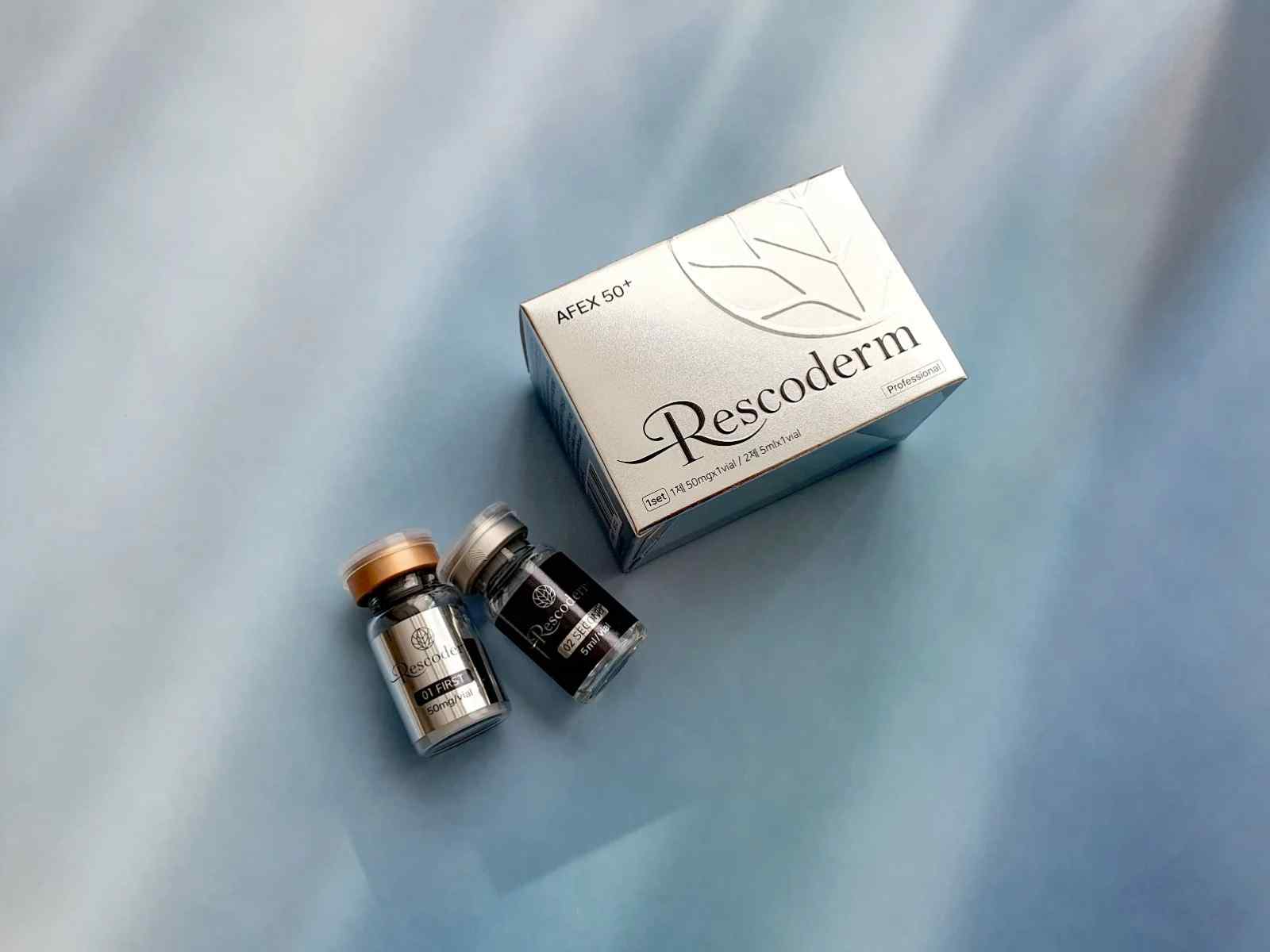
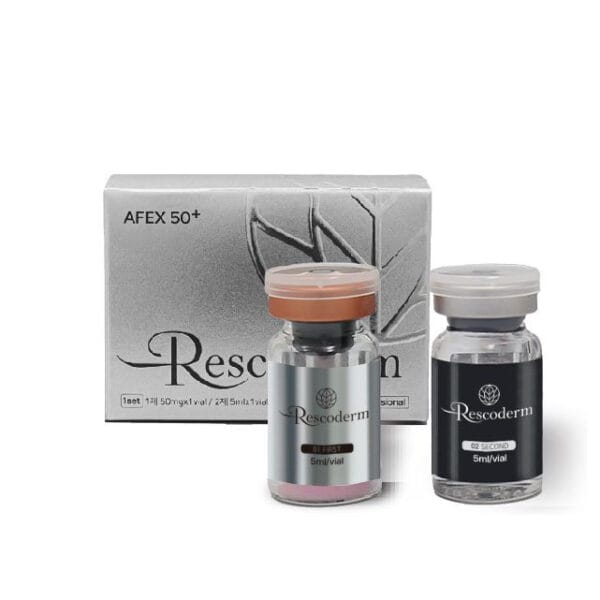
Rescoderm Human Exosome Skin Booster Dual Vial Set
Original price was: $125.00.$115.00Current price is: $115.00.
Product overview
Rescoderm Human Exosome Skin Booster is a two-part aesthetic formulation that is marketed as a dual-vial system comprising a lyophilised (freeze-dried) powder vial and a separate liquid solution vial. The two vials are intended to be reconstituted together shortly before professional use.
The product is categorised as a skin booster alongside other regenerative and hydration-focused injectables. Manufacturers and distributors describe it as containing exosome-related material alongside supporting ingredients such as hyaluronic acid, amino acids, vitamins and minerals.
Product specifications
Product type: dual-vial exosome-related skin booster
Configuration: One powder vial and one liquid solution vial, to be combined before use.
Reported active components: Exosome-derived material, hyaluronic acid (2% in both vials), amino acids, vitamins, minerals, glutathione and niacinamide.
Country of manufacture: Not independently confirmed.
Lidocaine content: Not indicated in the available manufacturer information.
Manufacturer’s details
Vial 2: liquid skin solution containing vitamins, minerals, amino acids, a coenzyme, glutathione and niacinamide, as well as 2% medical-grade hyaluronic acid.
United States regulatory status
For any U.S.-based professional evaluating this product, this is the most important information: according to current FDA guidance, there are no FDA-approved or FDA-cleared exosome-derived products for cosmetic or therapeutic use in the United States.
The FDA has repeatedly and publicly stated that exosome products derived from human cells and tissues meet the legal definition of a drug and/or biological product. Therefore, they require premarket approval in the form of an approved New Drug Application or Biologics License Application before they can be lawfully marketed or sold in the U.S.
The FDA has issued a growing series of warning letters — including actions against multiple companies marketing amniotic fluid-derived and umbilical cord-derived exosome products — for distributing unapproved new drugs and unlicensed biological products.
The agency has also issued public safety alerts describing serious adverse events, including infections, in patients who received unapproved exosome-based products. It has also noted that its temporary enforcement discretion for certain related tissue products ended in 2021.
Therefore, professionals and clinics operating in the United States should not treat this product as being cleared or approved for use.
They should also not rely on manufacturer or third-party marketing claims regarding safety, purity or FDA status. Instead, they should independently verify the sourcing and manufacturing practices, as well as the current legal status, before considering the acquisition, storage or clinical use of any exosome-derived product.
Important Professional Information
Rescoderm Human Exosome
Rescoderm Human Exosome is a cosmetic product designed for professional administration to support skin rejuvenation. It consists of purified extracellular nanovesicles—tiny particles that cells naturally release—derived from human-sourced cell lines.
These Exosomes communicate with skin cells, signalling them to support natural repair, hydration, and structural integrity.
The product is formulated as a dual-vial system: a freeze-dried powder and a liquid activator that are reconstituted by a trained professional immediately before use. This dual-vial format preserves the nanovesicles’ stability and potency until treatment time.
Professional administration ensures sterile handling, appropriate dilution, and correct delivery into the dermis.
Exosomes are used in cosmetic aesthetics because they naturally carry signalling molecules that support cell-to-cell communication. In skincare, the theory is that externally applied, purified Exosomes can encourage skin cells to function optimally.
However, it is important to note that Rescoderm is a cosmetic product and cannot legally make therapeutic disease claims. Any marketing claiming to “treat” acne, “heal” scars, or “cure” aging would violate FDA regulations. The product’s intended use is cosmetic skin support, not medical therapy.
What are the detailed specifications of Rescoderm Human Exosome Skin Booster kits?
Rescoderm is supplied in professional-only kits containing a freeze-dried powder component (typically standardised to a specified milligram weight) and a sterile liquid activator. The exact composition and concentration varies by kit version and should be confirmed in the product’s official package insert.
Composition overview:
The freeze-dried powder contains purified, human-derived extracellular nanovesicles, which are isolated using established bioprocessing methods. The liquid activator is usually a balanced physiological solution designed to reconstitute the powder without damaging the nanovesicle structure. Together, they create a treatment solution that professionals inject or infuse into the dermis.
Manufacturing standards:
– Third-party sterility testing (absence of bacteria, fungi and endotoxins).
– particle concentration verification and size distribution analysis.
– viability testing to confirm functional nanovesicles;
– Lot traceability and certificate of analysis documentation.
Are exosome treatments legal and FDA-approved for use in the United States?
No exosome products, including Rescoderm, have been approved by the FDA as therapeutic drugs in the United States. Exosome products are classified as cosmetics and are subject to less stringent FDA regulations because cosmetics are not intended to treat, cure, mitigate or prevent disease.
Rescoderm marketed as a cosmetic skin booster is legal for professional use in the United States. However, any provider or marketing claiming that Rescoderm “treats” rosacea, “heals” surgical scars, or “cures” sun damage would be making an illegal therapeutic claim and exposing both the clinic and the product distributor to FTC and FDA enforcement action.
FDA guidance on regenerative medicine
The FDA has issued multiple warning letters to companies marketing unapproved exosome products for the treatment of diseases. Read FDA guidance on regenerative medicine products to understand the regulatory landscape.
How does the dual vial format of Rescoderm Human Exosome function?
The freeze-dried powder
Contains exosomes and is freeze-dried (lyophilised) to remove water and halt biological degradation. In this dormant state, the nanovesicles remain stable at room temperature for the duration of their stated shelf life. Freeze-drying prevents the degradation, contamination and loss of functional activity that would occur if the product remained in liquid form for weeks or months.
The liquid activator
The sterile liquid activator is a precisely formulated buffer solution that restores the exosomes to their functional state when mixed with the powder. It is isotonic (balanced osmotically to match skin fluid) and pH-buffered to maintain nanovesicle integrity during reconstitution and administration.
Which Brand Of Exosomes Is Considered The Best Source For Aesthetic Treatments?
Choosing between exosome brands requires careful evaluation of manufacturing standards, purity metrics, transparency, and clinical track record. There is no single “best” brand; rather, there are brands that demonstrate superior quality standards.
Evaluation Criteria:
| Factor | What to Look For | Red Flags |
|---|---|---|
| Sourcing | Human-derived, ethically sourced cell lines; third-party documentation of source material | Undisclosed origin; animal-derived without transparency; vague “proprietary sources” |
| Manufacturing | ISO 13485 (medical device) certification or equivalent GMP standards; published manufacturing protocols | No visible quality standards; unverified manufacturing claims |
| Testing | Certificate of Analysis (CoA) showing particle concentration, purity, sterility, endotoxin levels | No CoA available; “proprietary formulation” excuses lack of transparency |
| Concentration | Specified in particles/mL or similar standardized units; consistent across batches | Vague “high concentration” claims without quantification |
| Clinical Track Record | Published case studies or peer-reviewed research; transparent adverse event reporting | No published outcomes; testimonials only without clinical documentation |
| Reputation | Positive feedback from professional aestheticians and dermatologists; peer recognition | Limited professional adoption; complaints on medical boards or consumer sites |
| Transparency | Willing to provide documentation to providers; clear contact for adverse events; traceable supply chain | Difficult to reach company; vague about sourcing or safety protocols |
Before booking a treatment, ask your provider: ‘What brand of exosomes do you use? Can you show me the certificate of analysis for the treatment I am receiving today?” A professional provider will be able to provide this documentation without hesitation.
What Are The Potential Dangers And Controversies Surrounding Exosome Therapy?
Exosome therapy is an emerging aesthetic technology, and the field carries both legitimate concerns and overhyped marketing claims.
Legitimate Safety Risks:
Unregulated and Black-Market Products:
Unverified exosome products sold online or through unregistered clinics pose serious risks. These products may contain:
- Contaminated or improperly sterilized materials.
- Undisclosed origin (animal-derived or synthetic, not human).
- Incorrect particle concentrations or non-viable particles.
- Bacterial endotoxins or other harmful agents.
Use of black-market or unverified exosomes has been linked to severe infections, prolonged inflammation, and permanent scarring.
Improper Administration:
Non-sterile injection technique, incorrect depth of placement, or inappropriate dosing can cause:
- Infection (cellulitis, abscess formation).
- Scarring and fibrosis.
- Vascular injury and hematomas.
- Allergic or inflammatory reactions.
- Granulomas (foreign-body reactions).
Product Variability:
Unlike pharmaceuticals with rigorous FDA oversight, cosmetic exosome products are not standardized across manufacturers. Particle size, concentration, viability, and purity can vary significantly between brands and even between lots of the same brand. This variability makes it difficult to predict outcomes or compare clinical results.
Overstated Marketing Claims:
Many clinics and online platforms market exosomes with unsubstantiated claims:
- “Cures wrinkles permanently.”
- “Reverses sun damage.”
- “Grows hair back.”
- “Treats acne scarring completely.”
These claims exceed what current evidence supports and set unrealistic patient expectations.
Current Medical Debate:
The aesthetic medicine community has legitimate ongoing debates about exosomes:
- Evidence Limitations: Most published exosome research uses in vitro (lab) or animal models. Human clinical trials specific to topical or dermal exosome application are limited.
- Mechanism Uncertainty: It is not fully understood how externally applied exosomes penetrate the skin barrier and whether they retain functional activity after application.
- Regulatory Gray Zone: Because exosomes are cosmetic products (not drugs), they are not subject to pre-market clinical trials or FDA safety review. This creates a regulatory gap.
- Professional Variance: Results reported by different clinics vary widely, suggesting that provider skill, product quality, and patient selection significantly impact outcomes.
Can Exosomes Cause Cancer Or Trigger Autoimmune Diseases?
This is an important safety question, especially given exosomes’ role in cell-to-cell communication.
Scientific Clarity:
Theoretically, exosomes can carry both beneficial and harmful signaling molecules depending on their source cells. In pathological conditions (cancer, autoimmune disease), diseased cells release exosomes that may promote disease progression. However, externally applied, purified cosmetic exosomes differ fundamentally from endogenous pathological exosomes.
Key Distinctions:
| Endogenous Pathological Exosomes | Cosmetic Exosome Products |
|---|---|
| Released by diseased cells (cancer, autoimmune conditions) in the body | Sourced from healthy, non-diseased cell lines under controlled conditions |
| Carry disease-promoting signals specific to the disease state | Formulated to carry general supportive, regenerative signals |
| Circulate systemically throughout the body | Injected locally into skin tissue; minimal systemic absorption |
| Accumulate in disease sites and amplify pathology | Localized to treatment area; aim to support healthy skin function |
Current Evidence:
There are no published reports of cosmetic exosome treatments triggering cancer, autoimmune disease, or systemic immune activation in aesthetic medicine literature. However, rigorous long-term safety studies are limited because exosomes are a relatively recent aesthetic technology.
Safety Considerations:
- Patients with active cancer should consult their oncologist before cosmetic exosome treatment.
- Patients with severe autoimmune conditions (lupus, rheumatoid arthritis) should discuss treatment with their rheumatologist, as localized immune stimulation could theoretically exacerbate symptoms.
- Patients with a history of keloid formation or hypertrophic scarring may have heightened inflammatory responses and should inform their provider.
The theoretical risk of exosomes triggering systemic disease is extremely low given their localized application and sourcing from healthy cell lines. However, individual medical history should always be reviewed before treatment.
How Do Exosome Treatments Compare To Retinol, Minoxidil, And PRP?
Different skin treatments work through different mechanisms. Understanding the differences helps you choose what’s right for your goal and lifestyle.
Exosomes vs. Retinol:
| Factor | Exosomes | Retinol |
|---|---|---|
| Mechanism | Deliver signaling nanovesicles; support cell communication | Vitamin A derivative; increases cell turnover and collagen synthesis |
| Application | Professional dermal injection/infusion (in-office) | Topical cream or serum (at-home) |
| Downtime | Minimal to none; possible mild redness for 1–2 hours | None; may cause initial dryness or sensitivity |
| Timeline | Results visible in 4–8 weeks; peak at 8–12 weeks | Results visible in 4–12 weeks with consistent use |
| Cost | $500–$1,500 per treatment; typically 1–3 treatments for initial course | $20–$200 for at-home retinol product; ongoing cost |
| Durability | Several months to 1+ year (variable); maintenance treatments recommended | Continued use required; benefits fade if stopped |
| Best For | Skin lacking elasticity, barrier function compromise, deep hydration | Fine lines, texture, sun damage, mild aging signs |
| Evidence Level | Emerging; limited human clinical trials | Well-established; decades of clinical research |
Exosomes vs. PRP (Platelet-Rich Plasma):
| Factor | Exosomes | PRP |
|---|---|---|
| Source | Human-derived cell cultures (manufactured in lab) | Patient’s own blood (requires blood draw) |
| Bioactive Content | Lab-standardized signaling molecules; consistent between treatments | Variable; depends on individual’s blood composition and processing |
| Procedure | Injection; minimal discomfort | Blood draw + centrifuge + injection; slightly longer procedure |
| Cost | $500–$1,500 per treatment | $500–$2,000 per treatment (blood processing adds cost) |
| Consistency | Predictable lot-to-lot; same formulation for all patients | Highly variable; each patient’s PRP is unique |
| Downtime | Minimal | Minimal to mild (bruising from blood draw possible) |
| Timeline | Results in 4–8 weeks | Results in 6–12 weeks (often slower than exosomes) |
| Best For | Patients preferring standardized, consistent product; faster results | Patients interested in autologous (self-derived) therapy; individualized approach |
| Evidence Level | Emerging; fewer clinical studies than PRP | Moderate; more published research than exosomes, but variability limits conclusions |
Exosomes vs. Minoxidil (for Hair):
Minoxidil is a topical medication (not cosmetic) FDA-approved for hair loss. It works by extending the hair growth phase and increasing blood flow to hair follicles. Exosome products marketed for hair growth lack rigorous clinical evidence and are not FDA-approved for this use. Minoxidil remains the standard evidence-based option for pattern hair loss.
Is Rescoderm Human Exosome More Effective Than Traditional PRP Therapy?
Comparing Rescoderm to PRP requires acknowledging differences in formulation, consistency, and evidence.
Theoretical Advantages of Exosomes:
- Standardization: Rescoderm is a manufactured product with consistent lot-to-lot formulation. Every treatment contains the same bioactive molecules at the same concentration.
- Convenience: No blood draw required; treatment can proceed immediately without processing time.
- Faster Results (Potentially): Some clinicians report visible results within 4–6 weeks with exosomes vs. 6–12 weeks with PRP, though this is not universal.
Advantages of PRP:
- Established Evidence: PRP has more published clinical studies, though results are highly variable due to individual variability.
- Autologous Therapy: Derived from your own blood; theoretically lower rejection risk.
- Individualized Bioactive Profile: Your PRP carries your unique growth factors and immune factors; some practitioners argue this is advantageous.
Honest Assessment:
Direct clinical superiority of Rescoderm over PRP is not definitively established in peer-reviewed literature. Published comparisons are limited. Both are emerging technologies with variable outcomes. Individual results depend on:
- Provider skill and experience.
- Product quality and formulation.
- Patient age, skin condition, and overall health.
- Aftercare compliance.
- Individual biological response.
Recommendation:
Rather than assuming one is “better,” consult with your provider about which option aligns with your:
- Comfort with blood draws (PRP requires one; Rescoderm does not).
- Preference for standardized vs. personalized product.
- Budget and commitment to maintenance treatments.
- Timeline (exosomes may show results faster for some).
Both are reasonable cosmetic options for skin rejuvenation when administered by qualified professionals using verified, high-quality products.
What Is The Biological Origin Of Human-Based And American Exosomes?
Defining Human-Based Exosomes:
Human-based exosomes are sourced from human cell lines cultivated in controlled laboratory conditions. These are not exosomes extracted directly from blood or tissue; rather, they are harvested from cultured cells (typically mesenchymal stem cells, fibroblasts, or specialized skin cell lines) that are grown in bioreactors and then processed to isolate their extracellular nanovesicles.
Ethical and Biological Standards:
Legitimate human-derived exosome products source cell lines through:
- Established cell banks with documented origin and testing (e.g., ATCC, ECACC).
- Informed consent documentation if using cells derived from donated tissue or blood.
- Rigorous screening for infectious agents (HIV, hepatitis, bacterial contamination).
- Consistent, quality-controlled culturing to ensure batch consistency.
American vs. International Manufacturing:
“American exosomes” refers to products manufactured in the United States under US regulatory oversight. American manufacturing typically involves:
- FDA facilities (even though final product is cosmetic, manufacturing sites are regulated).
- GMP (Good Manufacturing Practice) standards or ISO 13485 quality management standards.
- Documented supply chains and traceability.
- Compliance with FDA and FTC cosmetic labeling regulations.
American-manufactured products do not automatically mean superior quality, but they are more likely to be subject to regulatory scrutiny and documented quality standards.
Debunking the Salmon Sperm Myth:
There is a widespread misconception that some “premium” exosome products contain salmon sperm derivatives. This is false. Salmon sperm is not used in legitimate human exosome cosmetic products. This myth likely arose from confusion with other marine-derived skincare ingredients (like kelp extract or fish collagen). Legitimate exosome products are sourced from human cell cultures, not fish.
Transparency Red Flags:
Be cautious of products with:
- Vague sourcing (“proprietary blend” without specifics).
- Undisclosed origin cells.
- No third-party testing documentation.
- Unverifiable “American” claims without facility names or certifications.
Is It Safe To Apply Exosome Treatments At Home Without Professional Supervision?
No. DIY exosome application is dangerous and should never be attempted.
Why Professional Administration Is Essential:
Sterility Requirements:
Exosome treatment requires intra-dermal or subcutaneous injection into the skin. This breaches the skin barrier and requires:
- Sterile field preparation (surgical-grade skin preparation).
- Sterile instruments and syringes.
- Proper hand hygiene and personal protective equipment.
- Sterile product handling.
- Post-injection site care to prevent contamination.
Depth and Placement:
Correct exosome placement requires:
- Anatomical knowledge of skin layers (epidermis, dermis, subcutaneous tissue).
- Understanding injection depth for different facial areas.
- Awareness of vascular and nerve anatomy to avoid blood vessels or sensitive structures.
- Proper technique to avoid excessive trauma.
Incorrect depth or placement causes:
- Superficial injection (product ineffective; lumps visible).
- Too-deep injection (vascular injury, excessive inflammation).
- Nerve damage (numbness, paresthesia).
- Hematoma (bruising, blood clots).
Dosing and Volume Control:
Professional clinics carefully control:
- Volume injected per site.
- Total volume per treatment.
- Number of injection sites.
- Spacing between injection points.
Over-injection causes swelling, migration of product, visible lumps, and severe inflammation. Under-injection wastes product and reduces efficacy.
Professional Treatment is the Only Safe Option:
Booking a consultation with a qualified aesthetic professional ensures safe, sterile, effective treatment. The cost of professional treatment is justified by the elimination of serious infection and permanent disfigurement risks.
Which Foods Are Rich In Exosomes And How Can You Get Them Naturally?
Exosomes are naturally present in certain foods, particularly plant-derived exosomes found in:
- Ginger
- Grapes (especially red and purple varieties)
- Bovine milk and dairy products
- Turmeric
- Garlic
Dietary Exosome Intake:
Consuming exosome-rich foods contributes to overall systemic wellness and may support general cellular health through natural signaling molecule delivery. However, there is no evidence that oral dietary exosomes improve skin appearance or replace professional exosome treatments.
Why Dietary Exosomes Don’t Replace Professional Treatment:
- Absorption: Exosomes consumed orally are subject to stomach acid and digestive enzymes, which may degrade many exosomes before absorption.
- Targeting: Oral exosomes are distributed systemically throughout the body; there is no mechanism to direct them specifically to facial skin.
- Concentration: Food-derived exosomes are present at trace levels; professional exosome products deliver standardized, high concentrations directly to target tissue.
- Clinical Evidence: No peer-reviewed studies show that dietary exosome intake produces measurable improvements in skin texture, elasticity, or appearance.
Reasonable Perspective:
Including exosome-rich foods as part of a healthy, nutrient-dense diet supports overall health and may indirectly benefit skin through general wellness. However, if your goal is visible skin improvement, professional exosome treatment is the evidence-based approach.
Are Exosomes An Effective Solution For Aging Skin And Wrinkle Reduction?
Exosomes address aging skin through cellular signaling rather than direct mechanical action.
How Exosomes Support Aged Skin:
As skin ages, fibroblasts (collagen-producing cells) become less active, and cell-to-cell communication declines. Externally applied exosomes theoretically restore some of this communication by:
- Delivering growth factors and signaling molecules to dormant fibroblasts.
- Stimulating fibroblasts to produce more collagen and elastin.
- Supporting skin barrier repair by enhancing keratinocyte function.
- Promoting hyaluronic acid production for improved hydration.
- Reducing inflammation that contributes to aged appearance.
Measurable Improvements Reported:
Clinicians and patients report improvements in:
- Fine lines and mild wrinkles (especially around eyes and mouth).
- Skin elasticity and firmness.
- Texture and smoothness.
- Overall radiance and hydration.
- Pore size (mild reduction).
However, exosomes are most effective for fine lines and texture; deep wrinkles and severe sun damage may require additional treatments (e.g., laser resurfacing, chemical peels, or injectables).
Realistic Expectations:
- Exosomes support the skin’s natural rejuvenation; they do not “reverse” aging or “erase” wrinkles completely.
- Results are gradual, typically becoming visible at 4–8 weeks and improving through 12 weeks.
- Results vary significantly among individuals based on age, baseline skin condition, sun exposure history, and genetic factors.
- Maintenance treatments are typically needed to sustain results (every 6–12 months, depending on individual response).
Best Candidates:
Exosomes are most suitable for:
- Patients with mild-to-moderate aging signs (fine lines, loss of elasticity).
- Those seeking a non-invasive approach (no surgery, minimal downtime).
- Patients willing to commit to a realistic timeline (several weeks for results).
- Those interested in skin support rather than dramatic wrinkle elimination.
How Long Will The Results Of Rescoderm Human Exosome Treatments Last?
| Timeframe | Expected Changes |
|---|---|
| Day 1–3 | Mild redness or sensitivity at injection sites; slight swelling possible |
| Week 1 | Redness fades; skin may appear slightly more hydrated |
| Week 2–3 | Early texture improvements; skin feels smoother; hydration increases |
| Week 4–6 | Visible fine line softening; elasticity improvements become noticeable |
| Week 8–12 | Peak results; optimal collagen remodeling and skin renewal |
| Month 3–6 | Results stabilize; ongoing gradual improvement possible |
| Month 6–12 | Results remain visible; gradual fading begins (variable) |
| Month 12+ | Results typically diminish; maintenance treatments recommended if benefits are to be sustained |
How Does Rescoderm Human Exosome Improve Skin Barrier Restoration?
The skin barrier (stratum corneum and underlying epidermis) is the first line of defense against environmental stressors. Compromised barrier function manifests as:
- Increased transepidermal water loss (TEWL).
- Enhanced penetration of irritants.
- Chronic inflammation and sensitivity.
- Dull, dehydrated appearance.
How Exosomes Support Barrier Restoration:
Exosomes deliver signaling molecules that:
- Enhance ceramide and lipid production, reinforcing the moisture barrier.
- Support tight junction protein production (claudins, occludin), which strengthens intercellular adhesion.
- Promote keratinocyte differentiation and maturation, essential for proper barrier structure.
- Reduce inflammation through anti-inflammatory signaling molecules (IL-10, TGF-β).
- Support natural moisturizing factor (NMF) production, improving hydration retention.
Measurable Outcomes:
Clinicians have observed:
- Reduced TEWL: Skin loses less water to the environment; hydration retention improves measurably within weeks.
- Decreased Sensitivity: Irritant reactions to cleansers or actives diminish as barrier integrity improves.
- Improved Appearance: Skin looks plumper, smoother, and more luminous as hydration improves.
- Enhanced Resilience: Skin becomes more resistant to environmental stressors (pollution, wind, harsh products).
- Better Tolerance to Other Treatments: Once barrier is restored, skin tolerates additional skincare actives (retinol, vitamin C) better.
Timeline for Barrier Restoration:
- Week 1–2: Initial hydration improvements.
- Week 4–6: Visible barrier strengthening; reduced sensitivity.
- Week 8–12: Peak barrier restoration; skin resilience significantly improved.
Barrier restoration is particularly beneficial for:
- Eczema-prone or sensitive skin.
- Compromised skin from aggressive treatments (laser, chemical peels, retinol overuse).
- Chronically dehydrated skin.
- Rosacea or reactive skin conditions (consult dermatologist before treatment).
Can Exosomes Successfully Cross The Blood-Brain Barrier For Neurological Benefits?
This question addresses emerging research into exosomes’ potential systemic applications, but it’s important to clarify the distinction between research and cosmetic use.
Scientific Research on Blood-Brain Barrier Crossing:
Recent neuroscience research suggests that engineered exosomes may be capable of crossing the blood-brain barrier under specific laboratory conditions. This has generated significant interest in potential therapeutic applications for neurological diseases (Alzheimer’s, Parkinson’s, stroke recovery).
However, this research involves:
- Specially engineered exosomes with targeting ligands.
- Systemic administration (intravenous or intranasal injection into the bloodstream or nervous system).
- Exosomes designed for neurological penetration.
Rescoderm Cosmetic Use Has No Neurological Application:
Rescoderm is formulated exclusively for dermal (skin) application. Its intended use is local injection into facial skin tissue to support skin appearance. The product is not:
- Designed to cross the blood-brain barrier.
- Intended for systemic administration.
- Approved or indicated for neurological conditions.
- Subject to neuroscience research protocols.
Any marketing claiming neurological benefits from cosmetic exosome products is false and violates FDA regulations on therapeutic claims.
Frequently Asked Questions about Rescoderm Human Exosome
What is Rescoderm Human Exosome and how does it work?
Rescoderm Human Exosome is a cosmetic skin booster containing purified human-derived extracellular nanovesicles. These particles carry signalling molecules that communicate with skin cells. When injected into the dermis, they are believed to encourage skin cells to support collagen production, hydration, elasticity, and barrier function. Results typically appear within 4–8 weeks and may last 6–12 months.
Are exosome treatments approved by the FDA in the United States?
Exosome products like Rescoderm are not approved as therapeutic drugs. They are cosmetic products regulated under FDA cosmetic regulations. This means they are legal for professional use if marketed solely for appearance enhancement. Any claims to treat disease would classify the product as an unapproved drug and violate FDA law. Consult the FDA’s guidance on regenerative medicine products for details on the regulatory framework.
Related products
-
Skin Booster
Buy Fillmed NCTF 135HA Mesotherapy Skin Booster 5x
Original price was: $245.00.$235.00Current price is: $235.00. Add to cart -
Skin Booster
Profhilo Body Kit for Licensed Aesthetic Providers
Original price was: $335.00.$300.00Current price is: $300.00. Add to cart -
Skin Booster
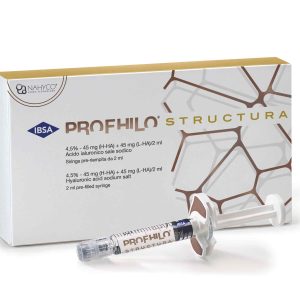
Shop Profhilo Structura 1x2ml Syringe | Aesthetics
Original price was: $264.00.$250.00Current price is: $250.00. Add to cart -
Skin Booster
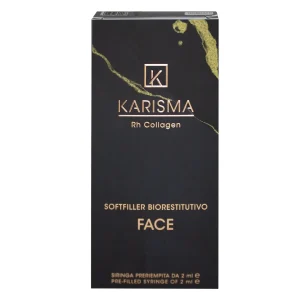
Karisma Rh Collagen Softfiller Face 2ml Pro Device
Original price was: $160.00.$108.00Current price is: $108.00. Add to cart
Reviews
There are no reviews yet.