
Botox in Massachusetts: The Complete Guide to Cost, Providers, and Results
Botox in Massachusetts typically costs $12 to $20 per unit, with total treatment prices ranging from roughly $200 to $600 depending on the area treated and number of units needed. Whether you are a first-time patient comparing providers or an experienced user exploring new treatment areas, this guide covers cost, legal requirements, provider selection, treatment options, and realistic results across the state.
Table of Contents

Request a Wholesale Quote In Massachusetts
Are you buying for your clinic or aesthetic practice? Contact us today to find out more about our competitive bulk pricing on Botox, dermal fillers, skin boosters, mesotherapy products, needles and cannulas.
Shipping & Delivery
We make ordering professional aesthetic products simple and reliable:
- Fast processing and secure packaging for every order.
- Temperature-sensitive products are handled with appropriate care where required.
- Tracking information is provided once your order is dispatched.
- Bulk and wholesale shipping options are available for larger orders.
- Contact our team for international shipping availability and delivery estimates.
-
Skin Booster
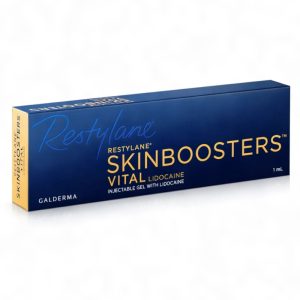
Restylane Skinboosters Vital Light Lidocaine 1x1ml
$100.00Original price was: $100.00.$90.00Current price is: $90.00. Add to cart -
Skin Booster
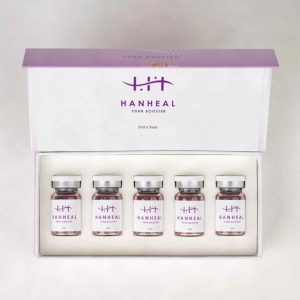
SeduSkin HYLA-PDRN Skin Regeneration Serum 5 x 5mL
$132.00Original price was: $132.00.$120.00Current price is: $120.00. Add to cart -
Skin Booster
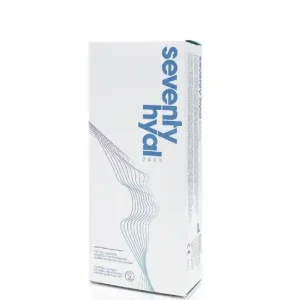
Seventy Hyal 2000 Skin Booster Syringes, 3x2ml Set
$165.00Original price was: $165.00.$150.00Current price is: $150.00. Add to cart -
Skin Booster
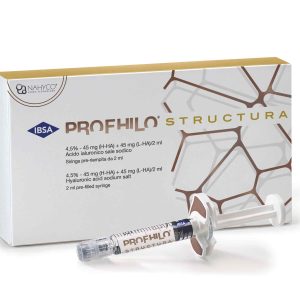
Shop Profhilo Structura 1x2ml Syringe | Aesthetics
$264.00Original price was: $264.00.$250.00Current price is: $250.00. Add to cart
Key takeaways
- Botox in Massachusetts generally costs $12 to $20 per unit, with total price depending on the treatment area and number of units needed.
- Only licensed physicians, nurse practitioners, and physician assistants may administer Botox independently in Massachusetts. Registered nurses may inject under direct physician supervision.
- Results typically appear within three to seven days and last three to four months.
- Choosing a board-certified or fellowship-trained injector with documented experience is the single most important step in reducing complication risk.
- Botox and dermal fillers address different concerns and are often combined for more complete facial rejuvenation.
- All botulinum toxin products used in the United States, including Botox, Dysport, Xeomin, and Jeuveau, must hold FDA approval.
Why is Botox a popular choice for facial rejuvenation in Massachusetts?
Botox is one of the most popular non-surgical cosmetic procedures in the United States. Thanks to its concentration of academic medical centres and board-certified specialists, Massachusetts gives patients access to experienced injectors across Greater Boston, its suburbs and the western part of the state.
Demand continues growing among adults from their late twenties through their sixties. Younger patients often pursue preventive treatment before deep lines form, while longtime users return every few months to maintain results. The treatment fits modern skincare routines because appointments are short, recovery is minimal, and outcomes look natural when performed by a qualified provider.
What is Botox Cosmetic and how does it work?
Botox Cosmetic is an FDA-approved injectable containing onabotulinumtoxinA, a purified protein. When a small dose is injected into a targeted facial muscle, it temporarily blocks the nerve signals responsible for muscle contraction. This results in softer wrinkles and lines caused by repeated facial expressions such as frowning, squinting or raising the eyebrows.
Your appointment will begin with a consultation, during which the practitioner will evaluate your facial anatomy, review your medical history and discuss your goals. The injections themselves usually take between ten and fifteen minutes.. Most Massachusetts practices also offer FDA-approved alternatives These include Dysport (abobotulinumtoxinA), Xeomin (incobotulinumtoxinA) and Jeuveau (prabotulinumtoxinA-xvfs), which gives providers the flexibility to match the right product to each patient.
What does Botox treat, and what are its key benefits?
| Concern | Botox | Dermal Fillers |
|---|---|---|
| Dynamic wrinkles (forehead, frown lines, crow’s feet) | Primary treatment | Not effective for movement lines |
| Jaw clenching and teeth grinding | Relaxes the masseter muscle | Not applicable |
| Excessive sweating (hyperhidrosis) | FDA-approved for underarm use | Not applicable |
| Volume loss (cheeks, lips, under-eyes) | Not effective for volume | Primary treatment |
Which provider offers the best Botox treatment in Massachusetts?
Ask to see the provider’s licence and request photos of patients with similar concerns to yours. Make sure they explain the expected outcome and limitations before treatment begins.
Booking a consultation with a licensed specialist means that your treatment plan will be tailored to your facial anatomy and goals, rather than being based on a generic template. Reputable providers will never pressure you into undergoing treatment on the same day without first carrying out a proper assessment.
Who can legally inject Botox in Massachusetts?
Botox is a prescription-only medication, and Massachusetts law restricts who can administer it. The Massachusetts Board of Registration in Medicine and the Board of Registration in Nursing jointly govern injection scope in the state.
Many people mistakenly believe that any medspa or wellness centre can legally provide Botox injections. If the person performing the procedure cannot clearly state what type of licence they hold and who is supervising them, you should find a different provider. The American Board of Cosmetic Surgery recommends verifying provider credentials before scheduling any injectable treatment.
How do you know if Botox is right for you?
Good candidates will typically notice lines that remain visible when their face is at rest, experience jaw tension from clenching their teeth, or wish to prevent deeper wrinkles from forming. Age alone is not a determining factor.
During a consultation, the practitioner will evaluate your skin elasticity and muscle strength in the target area before recommending a dosage. For example, someone with strong corrugator muscles between the brows may require a higher dosage than a patient with naturally softer muscle movement. A personalised plan takes your anatomy into account rather than applying the same unit count to every patient.
Which areas of the face can Botox treat?
Botox is most commonly used on the upper face, including the forehead, the area between the eyebrows (the glabellar area), and the area around the eyes. Providers may also treat the lower face, jawline and neck to address specific concerns. The most suitable approach depends on the muscles that create your most noticeable movement patterns and the results that matter most to you.
Can Botox correct a gummy or uneven smile?
Yes. Injecting a small amount of the substance into the levator labii superioris muscle, which elevates the upper lip, limits how high the lip rises during a smile. This reduces the amount of visible gum tissue. The same technique can also be used to balance an asymmetric smile caused by stronger muscle pull on one side. However, this approach requires an injector with detailed knowledge of perioral anatomy to avoid overcorrection.
Can Botox smooth out forehead lines, frown lines and crow’s feet?
Yes, but each area responds differently. Forehead lines soften as the frontalis muscle relaxes. Frown lines between the brows fade when the corrugator muscles stop pulling inwards. Crow’s feet lighten when the orbicularis oculi muscle relaxes during smiling and squinting. Most patients see smoother skin within five to ten days. As the unit count differs for each zone, per-unit pricing provides a more reliable cost estimate than flat-rate quotes.
What is a Botox lip flip?
A lip flip involves injecting a small dose — typically two to four units — along the border of the upper lip to relax the orbicularis oris muscle. Unlike filler, it adds no volume. It gently rolls the upper lip outwards, creating a slightly fuller appearance when speaking or smiling. Results last roughly six to eight weeks, which is shorter than the duration of standard Botox treatments in other areas of the face.
What is the Masseter Botox and Botox Twins treatment?
Masseter Botox treatment targets the large jaw muscle responsible for chewing and clenching. Patients opt for the treatment for two main reasons: to find relief from bruxism-related jaw pain and to achieve a slimmer, less square jawline. The typical dosage is 20–40 units per side, and the slimming effect develops gradually over several weeks as the muscle shrinks.
The term ‘Botox Twins Treatment’ is used in social media marketing, but not in clinical procedures. It describes two people booking appointments at the same time or one after the other, often to make the initial visit feel less intimidating. The injections themselves are identical to those in any standard session.
Are dermal fillers or Botox the right choice for you?
Botox relaxes the muscles, reducing movement-based lines. Fillers use hyaluronic acid or similar substances to restore lost volume. The right choice depends on whether your concern stems from repeated muscle contraction or a decrease in structural fullness over time.
The fact is that many patients benefit from both. For example, a provider might use Botox for forehead lines and filler for nasolabial folds in the same session. Combining treatments is common and often produces a more balanced result than either approach alone. During your consultation, ask whether a combination plan would be suitable for your anatomy and goals.
What happens during a Botox appointment?
- Arrive and complete or update your medical intake forms.
- Meet with your provider to confirm treatment goals and review the injection plan.
- The treatment areas are cleaned. A topical numbing agent is applied if requested.
- The provider administers injections using a fine-gauge needle at five to fifteen points.
- Aftercare instructions are reviewed before you leave.
What should you expect after Botox treatment?
Results are usually visible within three to five days, reaching full effect around the two-week mark. Most patients can resume normal activities on the same day with no downtime.
Common temporary side effects include mild redness, small bumps or light bruising at the injection site. These usually clear up within one to three days. Avoid rubbing the treated areas for at least four hours, and refrain from intense exercise for 24 hours after treatment.
Results generally last three to four months before muscle movement gradually returns. Maintaining a regular treatment schedule helps to sustain the effect. Some practitioners have noted that consistent treatment over time can reduce the depth of future lines by limiting repetitive muscle contraction, although results may vary from person to person.
What risks are involved with Botox injections?
Temporary side effects may include bruising at the injection site, a mild headache and localised swelling. These are usually minor and resolve without treatment within a few days.
Rare but significant risks include eyelid drooping (ptosis), brow asymmetry, and allergic reaction. The FDA prescribing information for Botox includes a boxed warning about distant spread of toxin effect, though this risk is extremely low at cosmetic doses administered by trained professionals.
How much does Botox cost in Massachusetts?
The price of Botox in Massachusetts varies depending on the practice, its location, and the experience of the provider. Most providers charge per unit rather than per treatment area, so the total cost depends on how many units your specific plan requires.
The American Society of Plastic Surgeons reports that botulinum toxin injections remain one of the most affordable nonsurgical cosmetic procedures nationally. Massachusetts per-unit costs generally range from $12 to $20, with practices in Boston and Cambridge often pricing toward the higher end.
The key factors that influence the total cost are the number of areas treated, your facial muscle strength, the experience of the provider, and participation in manufacturer loyalty programmes. Some practices also offer package pricing to patients who require regular maintenance.
What is the average cost per unit of Botox?
Most practices in Massachusetts charge between $12 and $20 per unit. These are estimates, Your actual cost depends on the provider’s assessment of your muscle activity and goals. Always request both the per-unit price and a unit estimate before committing to treatment.
Frequently Asked Questions About Botox In Massachusetts
How much does Botox cost in Massachusetts?
Most providers charge between $12 and $20 per unit. The total cost of treatment depends on the area being treated and the number of units required. A typical treatment covering one area costs between $200 and $600.
Who is legally allowed to inject Botox in Massachusetts?
Only licensed physicians, nurse practitioners with prescriptive authority and physician assistants working under a supervising physician agreement may administer Botox. Registered nurses can only inject under direct physician supervision. Estheticians and unlicensed staff are not legally permitted to perform the procedure.