
Botox in Kansas: What You Should Know Before Your Treatment
The cost of Botox in Kansas typically ranges from $10 to $20 per unit, and most treatments require between 20 and 60 units, depending on the area being treated. However, price alone should not be the deciding factor. An unqualified injector can cause drooping, asymmetry or even more serious issues. This guide covers Botox pricing in Kansas and Kansas City, who is legally permitted to inject, what to expect at your appointment and how to protect yourself before booking.
Table of Contents

Request a Wholesale Quote Botox In Kansas
Are you buying for your clinic or aesthetic practice? Contact us today to find out more about our competitive bulk pricing on Botox, dermal fillers, skin boosters, mesotherapy products, needles and cannulas.
Shipping & Delivery
We make ordering professional aesthetic products simple and reliable:
- Fast processing and secure packaging for every order.
- Temperature-sensitive products are handled with appropriate care where required.
- Tracking information is provided once your order is dispatched.
- Bulk and wholesale shipping options are available for larger orders.
- Contact our team for international shipping availability and delivery estimates.
-
Skin Booster
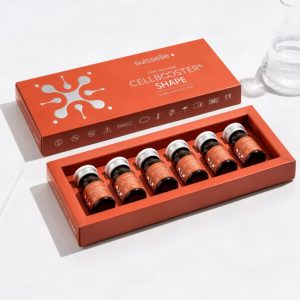
Suisselle Cellbooster Shape 6x3ml Vials 6 Pack Pro
$215.00Original price was: $215.00.$205.00Current price is: $205.00. Add to cart
Key Takeaways
- Botox in Kansas ranges from $10 to $20 per unit, with full upper face treatments typically costing $400 to $900.
- Only physicians, nurse practitioners, physician assistants, and supervised registered nurses can legally inject Botox in Kansas. Estheticians and dental hygienists cannot.
- Results appear within 3 to 7 days, reach full effect by day 10 to 14, and last approximately 3 to 4 months.
- Always verify your injector holds active credentials through the Kansas Board of Healing Arts or Kansas State Board of Nursing.
Botox in Kansas
Botox is one of the most popular cosmetic treatments in Kansas. Those in Wichita, Overland Park, Topeka, Lawrence and the surrounding area can choose from a range of clinics, including dermatology practices, plastic surgery offices and medical spas, all of which offer botulinum toxin injections.
The American Society of Plastic Surgeons consistently ranks botulinum toxin as the most commonly performed minimally invasive cosmetic procedure in the country. This national trend is reflected in Kansas, where there is a growing demand among adults seeking smoother skin, preventive wrinkle care or a more refreshed appearance without surgery.
Where Can You Find The Best Botox Providers And Prices In Kansas
Dermatology clinics typically have a dermatologist or a registered nurse (RN) under the supervision of a dermatologist. Prices range from $12 to $20 per unit. Medical spas may have a nurse practitioner (NP), physician assistant (PA), or RN. Prices range from $10 to $16 per unit. Plastic surgery offices typically have a surgeon or PA. Prices range from $14 to $20 per unit. A physician is usually on site at dermatology clinics and is always present at plastic surgery offices. Availability varies at medical spas. Follow-up visits are typically included at dermatology clinics and plastic surgery offices, but vary by package at medical spas.
Before booking, please confirm the following three things. Firstly, verify that the injector holds an active medical licence in Kansas. Secondly, ask to see before-and-after photos of real patients who have been treated at that clinic. Thirdly, confirm that the facility purchases FDA-approved botulinum toxin from an authorised distributor. Clinics that source products through unofficial channels risk using counterfeit or diluted formulations.
Where should you get Botox in Kansas City?
The Kansas City metropolitan area spans both Kansas and Missouri, offering patients a wide range of clinics to choose from. Popular choices on the Kansas side include Overland Park, Leawood and Prairie Village.
When evaluating providers, check reviews on Google Business Profile and RealSelf, rather than relying solely on testimonials posted by the clinic itself. Look for galleries showing before-and-after images of patients with similar skin types and goals to yours. Ask if the practice offers a free follow-up appointment within two weeks, as this demonstrates their confidence in the results they achieve and their commitment to patient care.
Who can administer Botox in Kansas?
The distinction matters. In Kansas, an APRN with full prescriptive authority can assess, prescribe and administer injections independently. In contrast, a registered nurse requires a physician’s order and oversight for every injection. Always ask your provider about their specific credentials and the structure of their supervision before treatment begins.
Can estheticians or dental hygienists perform Botox in Kansas?
No, estheticians are licensed by the Kansas Board of Cosmetology and can only perform non-invasive skin treatments, such as facials and microdermabrasion. They are not legally permitted to inject Botox or any prescription medication. Some estheticians may perform microneedling in certain settings, but this procedure does not involve injecting botulinum toxin.
Dental hygienists are not legally permitted to administer Botox in Kansas. If a non-medical professional offers you injectable treatments, do not proceed. This is a major safety concern.
How much does Botox cost in Kansas and Kansas City?
These are general estimates. Your provider will determine the exact number of units required during a consultation, based on factors such as your muscle strength, treatment goals and facial anatomy. The fair market price for a full upper face treatment in Kansas is generally between $400 and $900 for new patients. Be wary of prices significantly below this range. They may indicate a diluted product or an unqualified practitioner.
What is Botox Cosmetic and how does it work?
Botox Cosmetic is the brand name of onabotulinumtoxinA, a purified protein derived from the bacterium Clostridium botulinum. It was first approved by the FDA for cosmetic use in 2002, for reducing the appearance of moderate to severe facial wrinkles.
When injected in small doses, the protein blocks nerve signals to the targeted facial muscles. These muscles then relax temporarily, softening the lines created by expressions such as frowning or squinting. The areas most commonly treated include the lines on the forehead, the vertical frown lines between the eyebrows and the crow’s feet at the outer corners of the eyes.
Botox specifically targets dynamic wrinkles caused by repeated muscle movement. It does not add volume or fill static lines that are visible when your face is at rest. These require a different approach, such as treatment with dermal fillers under the guidance of a dermatologist.
What are the benefits of Botox, and how does it work alongside dermal fillers?
The main advantage of Botox is that it makes skin in areas where muscle movement creates visible lines look smoother and more relaxed. When treatment is performed conservatively by a qualified injector, most patients report looking refreshed rather than frozen.
Botox and fillers have different functions. Botox is used to treat muscle-driven wrinkles. Dermal fillers, on the other hand, restore volume to areas such as the cheeks, lips, nasolabial folds and hollows under the eyes. Together, they create what providers call a ‘liquid facelift’, addressing both movement-based lines and volume loss in a single session.
Can Botox treat specific concerns, such as the eyebrows and the area under the eyes?
A skilled practitioner can use Botox to achieve a subtle brow lift by relaxing the muscles that pull the outer brow downwards. Precise placement and conservative dosing are required to avoid an unnatural, startled appearance.
If you are concerned about fine lines that appear when you smile, Botox can soften them. However, it does not fill hollows or correct dark circles. These issues respond better to hyaluronic acid fillers. If a practitioner recommends Botox as a standalone treatment for severe under-eye hollowness, consider seeking a second opinion.
Who is a good candidate for Botox?
Good candidates are adults aged 18 and over with moderate to severe dynamic wrinkles, and who are in good overall health. You are a strong candidate if your lines are most visible when you make facial expressions and if you are looking for a non-surgical option with virtually no downtime.
You should not receive Botox if you are pregnant or breastfeeding, if you have a neuromuscular disorder such as myasthenia gravis, or if you are allergic to botulinum toxin products. Active skin infections at the injection site will also temporarily disqualify you from treatment.
A consultation is essential. Before recommending any treatment plan, your provider should review your medical history, evaluate your facial muscles and set realistic expectations.
What happens during your Botox appointment?
A typical Botox appointment takes between 15 and 30 minutes from start to finish. During this time, your practitioner will review your goals, examine your face and recommend treatment areas and unit counts. They will clean the injection sites, offer you the option of a topical numbing cream (because the needles are extremely fine), inject small amounts of Botox into the targeted muscles using a thin needle (most patients describe this as a brief pinch) and provide you with specific aftercare guidance on activities to avoid for the next 24 hours.
There is no required downtime. Any mild redness or small bumps at the injection sites will typically fade within an hour. Most patients resume their normal routine immediately after leaving the office.
How many injections will you need?
The number of injection points required depends on the treatment area and your facial anatomy. Forehead lines usually require four to eight injection points. Frown lines require around 5 injection points. Crow’s feet usually require 3–4 injection points per side.
Stronger facial muscles often require more units per injection site. First-time patients usually start with a low dose, and can choose to have more injected at their two-week follow-up appointment if needed.
How long does it take to see the results of Botox?
Most patients will notice the first changes within three to five days. The muscles gradually relax and the lines begin to soften. Full results are usually visible by day 10–14.
The effects last for approximately three to four months. After this time, the treated muscles slowly regain movement and the wrinkles reappear. To maintain smooth, consistent results over time, schedule your next session before the effects fully wear off. Some patients find that, after a year of regular treatment, they require fewer units or less frequent appointments because their muscles have become accustomed to staying relaxed.
What should you do and avoid after getting Botox?
Avoid saunas, hot tubs and intense heat for 24 to 48 hours. Heat increases blood flow to the face, which raises the risk of bruising. Moderate caffeine consumption is generally fine, but heavy intake may contribute to bruising in sensitive individuals.
Is Botox safe, and what are the risks?
Botox Cosmetic has been approved by the FDA since 2002 and has an excellent safety record when administered by qualified professionals. The full FDA safety information for onabotulinumtoxinA can be found on the agency’s website.
Botox is not a steroid. At cosmetic doses, the protein remains localised at the injection site and does not travel to the brain or other organs. It also does not cause weight gain. These are common misconceptions that are worth addressing directly.
The most common side effects are temporary bruising, mild swelling and headaches. Less common effects include drooping of the eyelids, which usually resolves within a few weeks, and temporary asymmetry. Serious complications are rare, but are most often linked to inexperienced practitioners or excessive dosing.
Selecting the right provider is the most important safety decision you can make. Using a board-certified dermatologist, plastic surgeon or experienced APRN with documented cosmetic procedure training will significantly reduce your risk. Ask your clinic to confirm that they only purchase from authorised distributors in order to avoid counterfeit products.
Is there an ideal age to start using Botox?
There is no single correct age. Most patients start treatment in their late 20s or early 40s, depending on factors such as their skin type, genetics and desired results.
Preventative Botox involves starting treatment before deep lines have a chance to form, usually from the mid-20s onwards. The aim is to relax the muscles so that permanent creases never develop.
Corrective Botox is used to target lines that are already visible at rest, and it is more commonly used by patients over the age of 40. There is no upper age limit, but those with deep static wrinkles may require additional procedures, such as fillers, alongside Botox for the best outcome.
Do men get Botox treatments, too?
Yes, according to the annual procedure statistics of the American Society of Plastic Surgeons, there has been steady growth in minimally invasive cosmetic procedures among men. Typically, male patients require higher unit counts because their facial muscles tend to be larger and stronger.
The most popular treatment areas for men are the forehead, frown lines and crow’s feet. Most male patients prefer subtle results that reduce visible signs of ageing while still allowing them to make natural facial expressions.
Frequently Asked Questions About Botox In Kansas
Where can you get Botox in Kansas?
Botox is available at dermatology clinics, medical spas and plastic surgery practices across Kansas. Cities with established providers include Wichita, Overland Park, Topeka, Lawrence and Manhattan. You should always verify a provider’s credentials with the Kansas Board of Healing Arts or the Kansas State Board of Nursing before scheduling your appointment.
How much does Botox cost in Kansas?
Most providers charge between $10 and $20 per unit. A full upper face treatment requires 40–64 units, putting the total cost between $400 and $1,280, depending on the provider and the number of areas treated. Ask for an itemised unit count and per-unit price during your consultation.