
Botox In New York: A Complete Guide To Safe Smooth Confident Results
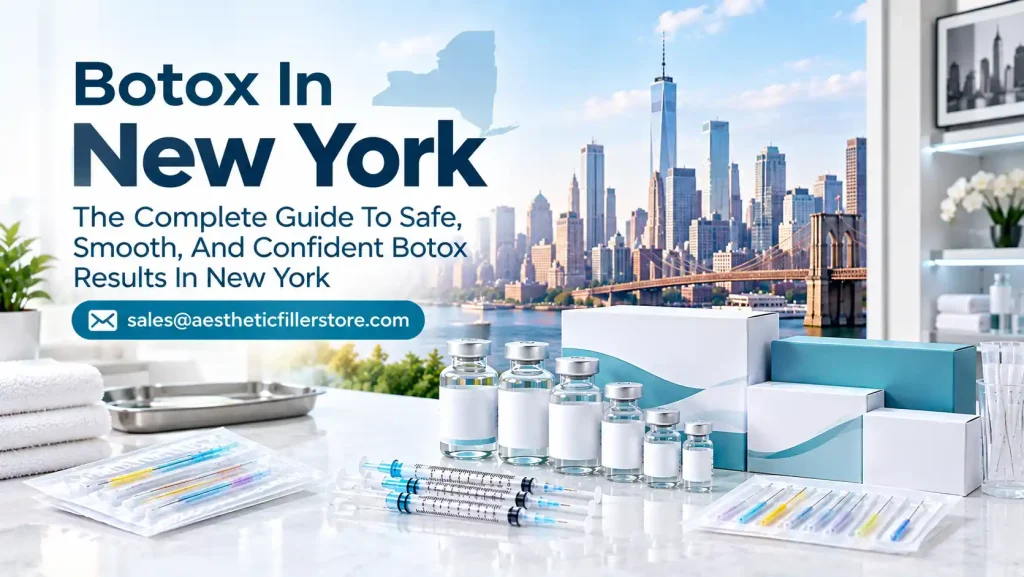
Navigating the world of cosmetic injectables in a fast-paced city can be overwhelming, but achieving a refreshed look doesn’t have to be. This guide breaks down everything you need to know about safely and effectively getting neurotoxin treatments in New York.
Whether you are considering traditional options or specific brands such as Nabota, familiarising yourself with local costs, safety protocols and provider credentials will help you to make a confident and informed decision regarding your aesthetic goals.
Table of Contents
Request a Wholesale Quote in New York
Are you buying for your clinic or aesthetic practice? Contact us today to find out more about our competitive bulk pricing on Botox, dermal fillers, skin boosters, mesotherapy products, needles and cannulas.
Shipping & Delivery
We make ordering professional aesthetic products simple and reliable:
- Fast processing and secure packaging for every order.
- Temperature-sensitive products are handled with appropriate care where required.
- Tracking information is provided once your order is dispatched.
- Bulk and wholesale shipping options are available for larger orders.
- Contact our team for international shipping availability and delivery estimates.
-
Skin Booster
Aeshilo H + L Dual HA (1×2.5ml) – Derma Fillers
Rated 5.00 out of 5$134.00Original price was: $134.00.$124.00Current price is: $124.00. Add to cart -
Skin Booster
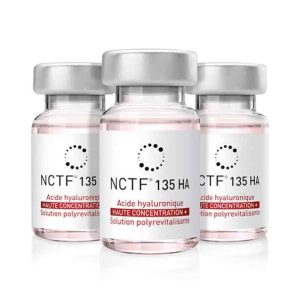
Buy Fillmed NCTF 135HA Mesotherapy Skin Booster 5x
$245.00Original price was: $245.00.$235.00Current price is: $235.00. Add to cart -
Skin Booster
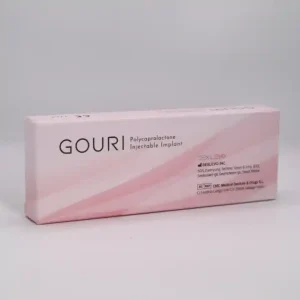
Buy Gouri Polycaprolactone Injectable Implant 1mL
$200.00Original price was: $200.00.$140.00Current price is: $140.00. Add to cart -
Skin Booster
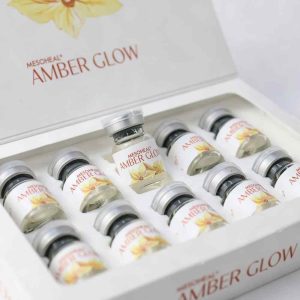
Buy MESOHEAL® Amber Glow 10x5ml Vials | Pro Supply
$220.00Original price was: $220.00.$165.00Current price is: $165.00. Add to cart
- Neurotoxins like Nabota (FDA-approved in the US as Jeuveau) relax targeted muscles to smooth dynamic wrinkles without surgery.
- New York City pricing typically ranges from $12 to $25 per unit, varying by neighborhood and injector expertise.
- Botulax is not currently FDA-approved for cosmetic use in the United States, making provider transparency about product origin critical.
- Results become visible in three to five days, peak at two weeks, and generally last three to four months.
- Always choose a licensed, board-certified medical professional who uses only verified, authentic products.
Botox in New York
What is Botox Cosmetic and what does it contain?
Botox Cosmetic is a purified form of botulinum toxin type A that works by temporarily blocking nerve signals to specific facial muscles. This relaxes the muscles and smooths the skin above them. When administered in tiny, controlled doses by a trained professional, it is a highly precise treatment.
The purification process ensures that only the active neurotoxin remains, with all unnecessary bacterial proteins removed. It is this meticulous refinement that makes the product safe for cosmetic use when administered by a trained professional.
It is important to distinguish neurotoxins like Botox Cosmetic from dermal fillers. While neurotoxins relax muscle movement to erase dynamic wrinkles, fillers use substances such as hyaluronic acid to restore lost volume. Both have distinct roles in facial rejuvenation.
For patients specifically researching alternatives, Nabota is a botulinum toxin type A product manufactured by Hugel Inc. In the United States, Nabota has been approved by the Food and Drug Administration under the brand name Jeuveau. Botulax is another product from the same manufacturer, but it is important to note that it is not currently approved by the FDA for cosmetic use in the United States.
Patients in New York should only receive FDA-approved products to ensure safety, regulatory compliance and authentic sourcing. Asking for products that are not FDA-approved can expose patients to unregulated supply chains and potential health risks.
Why do New Yorkers choose Botox for facial rejuvenation?
The main attraction for city dwellers is the minimal downtime. You can leave a clinic in Midtown and go straight to the office or to a restaurant for dinner. This convenience is ideal for those with busy schedules, which is typical of life in New York. In a city that never sleeps, looking tired or stressed can be mistaken for a lack of energy. Many professionals use these treatments to ensure their outward appearance reflects their inner vitality.
They also form the cornerstone of a proactive, non-surgical approach to ageing. Rather than waiting for deep wrinkles to appear, many people use these treatments as a preventive measure. This strategy helps to maintain a consistently youthful appearance over time.
Quick appointments are another major factor. Most treatment sessions take less than thirty minutes, making them easy to fit into a lunch break. This accessibility drives both new patient interest and long-term client retention.
Who is a good candidate for Botox?
How much does Botox cost in New York?
Pricing in the city is typically based on the quantity of product or the size of the treatment area. The number of units required varies depending on muscle strength, the size of the area and the outcome you wish to achieve. In New York City, the price of neurotoxins generally ranges from $12 to $25 per unit. This per-unit cost reflects the standard market rate for major metropolitan areas with high clinical overheads and demand.
Understanding this range enables you to evaluate quotes from different clinics and recognise when a price reflects expert care rather than simply seeking the cheapest option. Costs also fluctuate depending on the clinic’s location and the injector’s level of expertise. For example, a highly sought-after specialist in Manhattan will naturally charge more than a newer provider in a less central location.
While it might be tempting to seek out the lowest price per unit, the true cost of a poor injection is far higher. Correcting asymmetrical results or waiting for poorly placed product to wear off can take months. Investing in a highly skilled injector is an investment in both your safety and aesthetic satisfaction. Many reputable providers offer free initial consultations to provide personalised cost estimates.
Which clinic offers the best Botox injections in New York?
Which New York neighbourhoods offer convenient Botox studios?
The city is home to a wide range of high-quality medical spas spread across its diverse neighbourhoods. Manhattan remains the central hub, with dense concentrations of clinics in areas such as the Upper East Side, SoHo and the Financial District. Brooklyn has also experienced a significant increase in the number of premium aesthetic studios. Neighbourhoods such as Williamsburg, Brooklyn Heights and the Navy Yard offer top-tier services in a slightly more relaxed setting.
Some providers have even expanded to other major cities, including Chicago, to serve clients who are travelling. The key is to find a studio that fits seamlessly into your daily commute or weekend routine. Booking a location close to your home or office means you can easily attend follow-up appointments and manage your upkeep hassle-free. Convenience often dictates consistency, and consistency is what maintains your results.
What happens during a Botox consultation and treatment session?
The process begins with a comprehensive consultation. Your injector will discuss your aesthetic goals with you, review your medical history and analyse your facial muscle movement. This step is crucial for designing a customised treatment plan. A skilled injector will often ask you to make specific facial expressions, such as frowning or raising your eyebrows, while observing you. This dynamic mapping enables them to identify which muscles are overactive and determine the amount of product required for each area.
During the session itself, the practitioner cleans the target areas and administers a series of tiny injections. The needle is very fine and most patients describe the sensation as a quick, mild pinch. The entire injection process usually takes between fifteen and thirty minutes. The procedure is performed by qualified medical professionals, such as board-certified dermatologists, plastic surgeons or specially trained nurse injectors. We encourage you to book a consultation to receive a personalised timeline and see exactly how the process works for your anatomy.
What should you expect after Botox treatment?
You can resume most normal activities immediately after your appointment. However, providers usually advise against strenuous exercise, lying flat on your back, or rubbing the treated areas for the first few hours. For the first day, it is also important to avoid wearing tight hats or applying heavy make-up directly to the injection sites. These actions can inadvertently push the product into unintended muscles.
Keeping the area clean and staying upright allows the neurotoxin to bind precisely to the targeted nerve endings. Mild redness or slight swelling at the injection sites is common, but this typically fades within a few hours. Once this initial redness has resolved, most patients see no visible sign that they have had work done. Initial results become visible within three to five days. The full, peak effect becomes visible around the two-week mark, revealing a smoothly refreshed appearance. Strictly following your aftercare guidance helps support the best possible outcome.
How long do Botox results usually last?
On average, the effects of a neurotoxin treatment last between three and four months. As the nerve endings gradually regenerate, muscle movement slowly returns and dynamic lines begin to reappear. The timeline is influenced by individual factors. These include your metabolism, lifestyle and the natural strength of your facial muscles.
Scheduling repeat treatments before the effects have completely faded can help to maintain a consistent appearance. Some clinical observations suggest that long-term, consistent treatment can train the muscles to contract less forcefully over time. This means that, with a regular treatment schedule, you may eventually require fewer units to achieve your desired result. Taking a proactive approach to maintenance can be more efficient than waiting for lines to fully return.