
Botox in Iowa: What you need to know before your treatment
Are you considering cosmetic injections to reduce the appearance of fine lines, but feeling unsure about regional pricing, state safety regulations, or the differences between brands such as Botox, Nabota and Botulax? To find a trusted medical provider who can deliver natural-looking results, it is important to understand state licensing laws and compare product formulations.
This comprehensive guide breaks down the true cost of Botox in Iowa, examines provider qualifications, compares FDA-approved neuromodulators and provides a detailed overview of what to expect during your aesthetic journey.
Table of Contents

Request a Wholesale Quote Botox In Iowa
Are you buying for your clinic or aesthetic practice? Contact us today to find out more about our competitive bulk pricing on Botox, dermal fillers, skin boosters, mesotherapy products, needles and cannulas.
Shipping & Delivery
We make ordering professional aesthetic products simple and reliable:
- Fast processing and secure packaging for every order.
- Temperature-sensitive products are handled with appropriate care where required.
- Tracking information is provided once your order is dispatched.
- Bulk and wholesale shipping options are available for larger orders.
- Contact our team for international shipping availability and delivery estimates.
-
Skin Booster
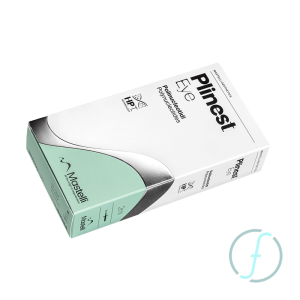
Buy Plinest Eye 1x2ml Polynucleotide Gel for MDs
$105.00Original price was: $105.00.$100.00Current price is: $100.00. Add to cart -
Skin Booster
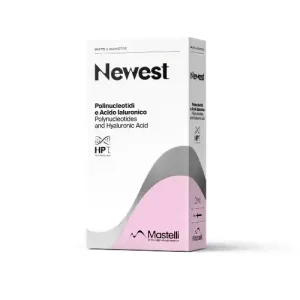
Buy Plinest Newest 1x2ml Skin Booster Syringe Pack
$118.00Original price was: $118.00.$90.00Current price is: $90.00. Add to cart -
Skin Booster
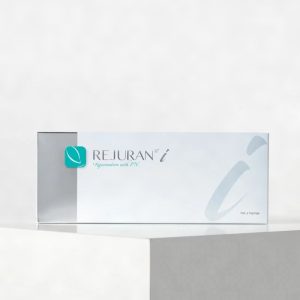
Buy Rejuran I 1x1ml Skin Booster for the Eye Area
$121.00Original price was: $121.00.$100.00Current price is: $100.00. Add to cart -
Skin Booster
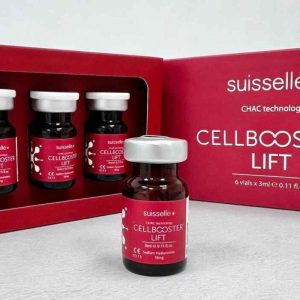
Buy Suisselle Cellbooster Lift 6x3ml Skin Booster
$215.00Original price was: $215.00.$200.00Current price is: $200.00. Add to cart
Key takeaways
- Iowa Licensing Laws: Only licensed prescribing clinicians or supervised nurses operating under a direct medical protocol can legally inject neuromodulators in Iowa.
- Pricing Structure: Average costs range from $11 to $17 per unit, with total treatment zone pricing typically running between $250 and $650.
- Formulation Equivalents: Korean brands Nabota and Botulax are FDA-approved in the United States as Jeuveau and Letybo, offering comparable clinical profiles to standard Botox.
What should you know about Botox in Iowa?
Aesthetic medicine in Iowa has evolved into a highly accessible and professional sector. Patients can now find state-licensed clinical settings not only in metropolitan hubs such as Des Moines, Cedar Rapids and Iowa City, but also in smaller communities. Instead of travelling out of state, residents can access top-tier medical spas and dermatology practices close to home.
The popularity of botulinum toxin type A treatments has increased due to their effectiveness as a non-surgical cosmetic option. These temporary, minimally invasive procedures are used to smooth expression lines and require little downtime. Iowa residents use them to soften dynamic wrinkles on the forehead, between the eyebrows and around the eyes.
When choosing a provider in Iowa, it is important to look beyond promotional pricing. As these are prescription-only medical procedures, safety depends on finding a clinical environment with proper oversight. To achieve excellent outcomes, you need a provider who understands facial anatomy and prioritises patient safety.
How much does Botox cost in Iowa?
Pricing for Botox in Iowa is not uniform. The cost of a single treatment session can range from $200 to $700, depending on the depth of your dynamic wrinkles and your aesthetic goals. The final price reflects the clinical setting, the local reputation of the injector, and the amount of product required for your treatment.
The number of facial areas treated directly affects your overall financial investment. Treating a single, localised area, such as glabellar lines, requires far less product than treating the forehead, crow’s feet and jawline simultaneously. Naturally, a comprehensive facial treatment requires a larger volume of product.
Prices also fluctuate across the state due to clinical settings and regional overheads. Clinics in busy commercial areas or those led by board-certified plastic surgeons tend to have higher service fees. Comparing regional averages across Iowa can help you to plan your budget.
What is the average cost of Botox in Des Moines?
In Des Moines, patients typically pay between $12 and $17 per unit for branded botulinum toxin injections. This local pricing is in line with the national average, making aesthetic treatments highly competitive in the state capital. The total cost of treatment depends on whether you choose a boutique medical spa or a specialised surgical practice.
Several key variables influence the cost of treatments in the Des Moines metropolitan area. Clinics that use highly experienced nurse injectors or physician assistants may offer slightly lower base rates than clinics where a plastic surgeon performs every injection. Additionally, clinics often offer loyalty programmes that reduce the cost of regular top-ups.
Your total cost is ultimately determined by your anatomy and the number of areas to be treated. For example, a male patient with strong brow muscles will require more units than a female patient seeking a more subtle, preventative treatment. Your injector will explain these requirements during your consultation.
How does per-unit versus per-area pricing work?
In order to budget accurately, it is important to understand the difference between per-unit and flat-rate per-area pricing. With per-unit pricing, you only pay for the exact volume of product injected into your tissue. In contrast, flat-rate per-area pricing structures charge a single price to treat an entire facial zone, regardless of the volume used.
The transparent, per-unit structure is highly tailored to your unique anatomy. If you only require a small dose for subtle softening, you only pay for what you receive. However, this model can make final bills harder to predict if your practitioner needs to adjust your dose during treatment.
Flat-rate pricing offers budget predictability. You know the exact cost of your treatment before it begins. However, patients requiring lower doses may end up paying more per unit than those with stronger muscles who require a higher dose.
Who can administer Botox in Iowa?
In Iowa, botulinum toxin injections are legally classified as prescription-only cosmetic procedures. These treatments are regulated by the Iowa Board of Medicine to protect patients from unlicensed injectors. Knowing who is legally permitted to administer these injections is essential for ensuring a safe clinical experience.
Only licensed prescribing clinicians can evaluate patients independently, prescribe botulinum toxins and administer injections. Registered nurses (RNs) and licensed practical nurses (LPNs) can legally administer these injections, but only under the direct supervision of, and with the delegation of, a licensed prescriber. Furthermore, the prescriber must conduct an in-person clinical examination prior to delegating the procedure.
A common misconception in the industry is that licensed estheticians can perform cosmetic injections in medical spas. In Iowa, estheticians are legally prohibited from administering injections or handling prescription medical devices, regardless of the level of supervision. To ensure your safety, you should always verify your injector’s licence before booking.
What is Botox and how does it work?
Botox is an FDA-approved prescription neuromodulator derived from the proteins of the Clostridium botulinum bacterium. In tiny, precisely controlled cosmetic doses, it acts as a localised muscle relaxant. This targeted approach temporarily softens the skin’s surface by relaxing the underlying muscles responsible for expression lines.
Each time you frown or squint, your brain releases a neurotransmitter called acetylcholine, which signals your facial muscles to contract. Over time, these repetitive contractions cause creases in the overlying skin, creating permanent lines. Botulinum toxin works by blocking these signals, temporarily relaxing the muscles and allowing the skin to smooth out.
It is important to understand that neuromodulators, which are used to treat dynamic expression lines, are chemically distinct from dermal fillers. Neuromodulators relax overactive muscles to address dynamic expression lines. In contrast, fillers are gel-based substances that are injected deeper into the tissue to restore lost volume and lift sagging areas.
What are the differences between Botox, Daxxify and Jeuveau?
The modern aesthetic market offers a range of advanced neuromodulator options in addition to the classic Botox treatment. Professional buyers, clinic directors and consumers often compare Botox, Jeuveau and Daxxify. These products have different molecular structures, onset times and performance profiles.
Classic Botox uses a 900kDa botulinum toxin complex stabilised with human serum albumin to deliver predictable results for three to four months. Jeuveau uses the Nabota formulation, which is manufactured in Korea. It is a highly purified 900kDa complex designed specifically for cosmetic use. Many practitioners report that Jeuveau takes effect slightly faster than traditional Botox.
Daxxify is a new pharmacological advancement. Instead of human serum albumin, it uses a proprietary peptide stabiliser, which allows the active toxin to bind efficiently to target nerve endings. Clinical studies show that Daxxify can maintain its smoothing effects for up to six months in many patients.
Where can you find the best Botox clinics near Iowa City?
To find a premier aesthetic clinic near Iowa City, it is important to look beyond low prices and evaluate professional standards. The area boasts a variety of academic dermatology departments, private plastic surgery practices, and contemporary medical spas. Your first step should be to select a practice that matches your level of comfort and clinical expectations.
Begin your search by prioritising clinics with transparent injector biographies and clear medical leadership. Reputable clinics openly display their medical director’s credentials and their injectors’ licensing backgrounds. Avoid clinics that use vague job titles such as ‘certified aesthetic technician’ rather than clear nursing or medical qualifications.
Read patient reviews from multiple independent platforms, paying close attention to comments about the consultation process and achieving natural-looking results. A clinic that takes the time to create personalised treatment plans will always achieve better long-term results than a clinic that focuses on seeing a high volume of patients.
How do you schedule a Botox consultation in Iowa?
Scheduling your initial aesthetic consultation is straightforward, but it does require active participation from you as the patient. You can either call local practices directly or request an appointment online via secure booking portals. Make sure that the clinic schedules a dedicated clinical consultation before your injection session.
During your first appointment, your provider will carry out a thorough review of your medical history and conduct a structural facial analysis. This is your opportunity to discuss your aesthetic concerns, budget and preferred brand. A trustworthy injector will clearly explain any potential side effects and your expected dosage.
What should you expect before, during and after Botox treatment?
Knowing what to expect during your appointment can help to reduce anxiety about the treatment. The process is quick and convenient, and can easily fit into a busy schedule. Understanding each stage of your treatment journey will ensure that your clinical experience is smooth and stress-free.
The active treatment process usually takes less than fifteen minutes from the first injection to completion. Your practitioner will cleanse your skin, mark the injection sites and use a fine needle to administer the product. Most patients describe the sensation as similar to a quick pinprick.
Your clinical recovery will begin immediately after your session. Although you can return to work straight away, you must follow your provider’s specific recovery guidelines. Any minor swelling or tiny red bumps at the injection sites will usually fade within thirty minutes.
How should you prepare for a Botox treatment?
Avoid taking non-prescription blood thinners such as aspirin, ibuprofen and naproxen for one week before your treatment. Temporarily stop taking fish oil, vitamin E, ginkgo biloba and garlic supplements for seven days before your session. Avoid drinking alcohol for at least twenty-four hours before your appointment to minimise the risk of bruising. Wash your face thoroughly and arrive at the clinic without makeup to help prepare your skin. Share your full medical history with us, including any neuromuscular disorders, past treatments or active pregnancies.
What aftercare steps should you follow?
To prevent product migration, maintain an upright position and avoid lying down or bending over for at least four hours after your injections. Avoid strenuous exercise, heavy lifting and cardiovascular training for twenty-four hours after treatment. Do not touch, massage, rub or apply pressure to the treated areas for twenty-four hours to keep the product in place. Avoid hot tubs, saunas, steam rooms and direct sun exposure on your first day of recovery. Monitor your skin for signs of complications and contact your clinic immediately if you experience severe headaches or breathing difficulties.
How long do Botox results typically last?
The aesthetic benefits of botulinum toxin type A injections typically last between three and four months. As your nerve endings naturally rebuild their receptors, your facial muscles will gradually regain movement. When this happens, dynamic lines will start to reappear, indicating that a maintenance session is needed.
Results can vary due to individual biology, lifestyle choices and daily muscle activity. Patients with highly active metabolisms, or who participate in intense daily exercise, often process the product faster. Similarly, individuals who frequently use their facial muscles, such as those who are expressive, may notice a shorter duration.
Practitioners can help you to compare these standard timelines with those of extended-duration products. For instance, upgrading to Daxxify can extend your smooth results by up to six months, whereas standard Botox, Jeuveau or Letybo fit a traditional quarterly touch-up schedule.
Which areas of the face and body can Botox treat?
Botulinum toxins are highly versatile medical aesthetics tools. While most patients use them to treat common upper facial expression lines, they can also address concerns in the lower face. Furthermore, medical practitioners use them to treat various therapeutic conditions.
It softens horizontal creases across the upper forehead and smooths vertical ‘eleven’ frown lines between the eyebrows. It also softens fine laughter lines around the outer corners of the eyes and small diagonal wrinkles on the nasal bridge. It relaxes the upper lip border to create a fuller, more natural-looking pout. It slims the jawline and relieves symptoms of teeth grinding or TMJ. It blocks overactive sweat glands to treat severe underarm sweating.
What are the benefits of choosing Botox for a natural-looking result?
Modern aesthetic techniques focus on preserving natural facial movement. Experienced practitioners use precise dosing to soften dynamic lines while preserving your natural expressions. This subtle approach ensures that you look refreshed and rested rather than frozen or expressionless.
The ability to achieve a natural look depends heavily on your provider’s anatomical knowledge and experience. A skilled injector understands how your facial muscles work together and will adjust the placement of the filler to avoid drooping or asymmetrical results. This careful approach ensures beautiful, balanced rejuvenation.
Who is a good candidate for Botox?
Healthy adults who want to soften dynamic facial wrinkles make excellent candidates for botulinum toxin treatment. While many patients start treatment in their late twenties or early thirties to prevent deep creases from forming, older adults use it to soften existing wrinkles. Your practitioner will assess your skin’s elasticity to ensure the treatment meets your expectations.
There are several clinical contraindications to bear in mind. You should avoid botulinum toxin injections if you are pregnant or breastfeeding, or if you have a history of neuromuscular disorders such as ALS or myasthenia gravis. You should also postpone treatment if you have an active skin infection near your planned injection sites.
Will Botox make you look frozen?
The frozen, expressionless look is caused by an overdose or incorrect injection technique, not by the product itself. When administered by a skilled professional, botulinum toxins can deliver subtle, natural-looking facial rejuvenation. Your practitioner should carefully adjust your dosage to soften wrinkles while preserving your natural expressions.
Modern injectors take a customised approach, tailoring their work to your unique muscle structure. By injecting micro-doses into specific muscle points, they can relax the muscles responsible for wrinkles while leaving areas used for expression unaffected. This enables you to smile, frown and look surprised naturally.
Clear communication with your injector is essential for achieving your desired results. Make sure you tell them whether you want complete line smoothing or if you want to retain natural facial movement. Your feedback will help a professional injector to customise your plan.
What are the differences between Botox and dermal fillers?
It is essential to understand the difference between neuromodulators and dermal fillers when planning your cosmetic treatments. Although both are injectable, they address different aspects of facial ageing. Neuromodulators relax the muscles that cause dynamic wrinkles, while fillers restore lost tissue volume.
Dermal fillers use a smooth, gel-based form of hyaluronic acid to lift sagging tissue, fill deep static folds and contour the cheeks or lips. They counteract the volume loss caused by ageing and gravity. In contrast, neuromodulators do not add volume; they focus solely on smoothing lines caused by active facial expressions.
In many cases, practitioners combine both treatments to achieve a comprehensive liquid facelift with a natural look. Smoothing your upper forehead with neuromodulators while adding fillers to restore volume to your mid-face delivers beautiful, balanced rejuvenation. Your provider can design a personalised treatment plan during your clinical consultation.
Frequently Asked Questions About Botox In Iowa
How much does Botox cost per unit in Iowa?
In Iowa, the average cost of a unit of brand-name Botox ranges from $11 to $17. Pricing depends on the experience of the injector, clinical overheads, and the location of the clinic.
Who is legally allowed to administer Botox in Iowa?
Under Iowa law, only licensed prescribing clinicians (MD, DO, ARNP, PA) can independently evaluate patients and perform cosmetic injections. Registered Nurses and Licensed Practical Nurses may administer injections, but only under the direct supervision of a prescribing clinician who has completed an in-person patient evaluation. Estheticians are legally prohibited from administering injections in Iowa.