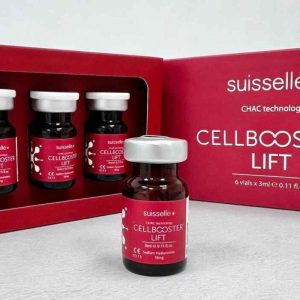
Key takeaways:
- Nabota and Botulax are not FDA-approved and cannot be legally administered by licensed medical professionals in Connecticut under any circumstances.
- Seeking unapproved, gray-market injectables exposes you to severe health risks, including counterfeit products, nerve damage, and botulism.
- FDA-approved alternatives like Dysport and Jeuveau offer similar diffusion and pricing benefits to international brands safely.
- Always verify a Connecticut provider’s supply chain and medical board credentials before booking any injectable appointment.
What should you know about Botox in Connecticut?
Connecticut has strict regulations regarding cosmetic injectables. Residents searching for specific international brands such as Nabota or Botulax should be aware that these products have not been approved by the United States Food and Drug Administration for use in the United States. Licensed medical spas and dermatology clinics in Connecticut are legally required to use FDA-approved neuromodulators that are sourced from verified domestic supply chains.
While international brands are often appealing due to lower costs or specific diffusion characteristics, attempting to source these products locally can lead patients towards
unlicensed, grey-market operators. These environments lack medical oversight and pose significant safety hazards. Understanding the local regulatory landscape helps you to prioritise your health while achieving the precise aesthetic results you desire through legal, rigorously tested alternatives.
Where can you find the best Botox provider in Connecticut?
An exceptional injector has an in-depth knowledge of facial anatomy and strictly adheres to state medical supply chain laws. It is credentials and years of hands-on experience that separate exceptional results from dangerous shortcuts.
Always look for a board-certified dermatologist, plastic surgeon or specialised nurse injector who works under direct medical supervision. Before-and-after photos are invaluable for evaluating an injector’s aesthetic style.
Furthermore, read patient reviews that specifically mention injection work rather than general spa amenities. Crucially, a reputable provider will openly discuss the specific FDA-approved brands they use and explain why they have selected them for your unique facial structure.
Which Botox clinics and med spas serve communities in Connecticut?
A mix of dermatology offices, dedicated med spas, and surgical practices serve Connecticut communities. Some locations specialise exclusively in cosmetic injectables. Others incorporate neuromodulators into a wider range of wellness and skincare services.
We highly recommend comparing multiple nearby practices before committing to one. This will help you to find a clinic that meets your specific requirements in terms of comfort, aesthetics and safety. Be wary of any clinic that advertises imported Korean Botox or offers suspiciously low prices, as these are key signs of illegal, unverified products that bypass crucial safety testing.
How much does Botox cost in Connecticut?
In Connecticut, the typical price per unit for FDA-approved brands falls between $12 and $18. The total cost of your session depends entirely on the number of units required and the specific areas you choose to treat.
Patients seeking Nabota or Botulax are often motivated by the lower prices found in international markets. However, trying to replicate these prices in the US can lead to diluted products, counterfeit vials or unlicensed injectors. Any financial savings are negated by the cost of treating severe complications or systemic infections resulting from counterfeit injectables, as detailed in
clinical research findings. Reputable clinics use transparent pricing models, either charging strictly per unit or offering a flat fee for a specific facial zone, based on verified product costs.
What Botox deals and special offers are available in Connecticut?
Local practices often offer discounts for the first visit to attract new patients. Seasonal or holiday promotions are also common, particularly in quieter months or around significant events.
Book a consultation today to secure the current new-patient price before seasonal offers change. However, you should consider the experience of the provider and the authenticity of the products alongside the discounted pricing. Opting for a less experienced injector or a clinic using unverified products solely to save money could result in costly corrective treatments and permanent health consequences further down the line. Savings should come from legitimate sources such as membership programmes or manufacturer rebates, not from compromised supply chains.
How does the price of Botox vary by treatment area?
Different areas of the face require different amounts of product. The most commonly treated areas are forehead lines, frown lines and crow’s feet.
A lip flip requires fewer units of treatment and is less expensive than treating larger muscle groups. However, combining multiple areas in a single visit can affect the overall bill. Some clinics do offer package discounts for treating several zones at once, though. Understanding these baseline costs helps you to spot pricing that seems too good to be true, which is a common red flag for clinics illegally substituting FDA-approved products with unverified alternatives.
How do membership programmes affect Botox pricing?
Many med spas in Connecticut offer membership tiers that reduce the cost per unit over time. Pricing for standard non-members is always higher than the discounted rates offered to loyal clients.
Membership is most financially beneficial for repeat patients who visit every three to four months. Occasional patients may not recoup the monthly membership fee before their next visit. Using these legal membership programmes is the safest way to achieve the lower per-unit costs associated with international brands while ensuring you don’t sacrifice your health or violate state medical regulations.
What is Botox and how does it work?
When these muscles relax, the skin above them appears much smoother. This prevents dynamic wrinkles from becoming etched into the skin over time. Although international brands such as Nabota and Botulax utilise the same core mechanism, their specific protein complexes, stabilising agents and manufacturing standards differ significantly from those of FDA-approved products. These differences directly impact safety, consistency and predictable results.
What is the difference between Botox Cosmetic and Dysport?
Both Botox Cosmetic and Dysport are FDA-approved neuromodulators, but they differ in their formulations and dosing units. One Dysport unit is not equivalent to one Botox unit.
Some patients report that Dysport takes effect more quickly and has a wider spread of action. Your provider’s recommendation will depend on your specific treatment goals and facial anatomy. Patients who prefer the wider diffusion profile often associated with Korean brands such as Botulax often find that Dysport is a highly effective, legal and safe alternative in the US market.
Are Botox Cosmetic and Dysport approved by the FDA?
Both Botox Cosmetic and Dysport are fully approved by the FDA for cosmetic use. This regulatory approval means they have undergone rigorous testing for patient safety and efficacy.
It is important to note that these approved uses are specific to certain facial areas. Using them in unapproved areas is considered off-label and should only be done by a highly trained medical professional. Conversely, Nabota and Botulax have zero FDA approval, meaning their safety profiles, sterility, and long-term effects have not been validated by United States regulatory authorities. You can review the official safety guidance regarding unapproved injectables directly through federal health channels.
Which areas of the face can Botox treat?
The areas most commonly treated include the horizontal lines on the forehead, the vertical lines between the eyebrows and the
crow’s feet around the eyes.
In addition to cosmetic smoothing, FDA-approved neuromodulators are also used in some practices for therapeutic purposes to address issues such as jaw tension, teeth grinding and excessive underarm sweating. Before recommending specific treatment zones, an injector will carefully assess your unique facial anatomy. Attempting to treat complex muscular issues with unverified, unapproved products can lead to serious complications such as facial asymmetry and eyelid drooping.
What should you expect during a Botox treatment session?
- Consultation: The injector reviews your medical history and discusses your aesthetic goals.
- Marking: The provider marks the precise injection sites on your face while you are sitting upright.
- Verification: The provider opens the sealed, FDA-approved vial in your presence to verify authenticity and lot numbers.
- Injection: Using a fine needle, the injector administers the product into the targeted muscles.
- Aftercare: You receive verbal and written instructions before leaving the clinic.
How should you prepare for your first Botox appointment?
- Avoid Blood Thinners: Stop taking NSAIDs, aspirin, and certain supplements like fish oil a few days prior, unless prescribed by your doctor.
- Skip Alcohol: Avoid alcohol for at least 24 hours before your appointment to minimize bruising.
- Disclose History: Provide your injector with a complete and honest medical history.
- Verify Products: Prepare to ask the clinic to show you the sealed packaging and lot numbers of the neuromodulator they plan to use.
How long do Botox results last for patients in Connecticut?
Results typically last for
three to four months. This longevity is heavily influenced by factors such as your individual metabolism, muscle strength and daily facial expressions.
Connecticut’s harsh, dry winters can
severely dehydrate the skin, making fine lines much more noticeable. Maintaining a strict hydration and medical-grade moisturising routine alongside neuromodulator treatments helps maximise the visual longevity of your results during the colder months. Using FDA-approved products consistently ensures a predictable metabolic breakdown, whereas unverified products may metabolise erratically, leading to uneven results and premature wrinkling.
Are you a good candidate for Botox?
Providers consider general health, age and
skin elasticity when determining candidacy. Ideal candidates have dynamic wrinkles caused by repetitive muscle movement, rather than by severe sun damage or loss of volume.
Certain conditions, such as pregnancy, breastfeeding or specific neurological disorders, may temporarily disqualify someone from receiving treatment. The only way to determine your personal suitability is through an honest consultation. It is essential that patients disclose all medications and supplements to avoid dangerous interactions.
Which treatment is best for your concerns: Botox, fillers or skin tightening?
Based on a physical examination of your skin quality and bone structure, a provider will decide which option suits your concern. The order of treatment is very important when combining these procedures in a single plan. Using unapproved injectables can disrupt this careful planning, as the unpredictable spread of illegal products can affect adjacent filler placements and compromise your facial harmony as a whole.
Frequently Asked Questions About Botox In Connecticut
What should you know about Botox in Connecticut?
Botox is widely available in Connecticut, across dermatology offices, med spas and surgical practices. Patients seeking international brands such as Nabota or Botulax should be aware that these products are not approved by the FDA and cannot be legally administered in the US. It is always better to prioritise verifying an injector’s medical credentials, reviewing their before-and-after portfolio, and confirming that they use authentic, FDA-approved supply chains than to choose the lowest price.
How much does Botox cost in Connecticut?
The average cost of FDA-approved neuromodulators in Connecticut is between $12 and $18 per unit. A typical treatment session covering one or two areas usually costs between $300 and $600. The total cost depends on the number of units required, the specific facial areas treated and the clinic’s pricing model. Be highly suspicious of prices significantly below this range, as they often indicate illegal, diluted or counterfeit products