Key Takeaways
- Botox in Arkansas typically costs between $10 and $15 per unit, with total sessions averaging $300 to $600 depending on the treatment area.
- Only licensed medical professionals, including physicians, physician assistants, and supervised registered nurses, may legally administer these injections in Arkansas.
- Alternative neuromodulators like Nabota and Botulax offer comparable clinical results to traditional Botox and are widely available in Little Rock clinics.
- Results appear gradually over 3 to 14 days and generally last 3 to 4 months before maintenance is required.
- Proper pre-treatment preparation, such as avoiding blood thinners and alcohol, significantly reduces the risk of post-injection bruising.
Botox in Arkansas
Botox has become a staple of the aesthetic market in Arkansas. From bustling medical spas in Little Rock to specialised dermatology clinics in Fayetteville, more and more residents are choosing neuromodulator injections to achieve subtle, natural-looking enhancements. This popularity stems from the treatments’
proven clinical efficacy and convenience.
Patients appreciate the minimal downtime and the ability to fit a quick, effective appointment into a busy schedule. This guide will walk you through the specifics of undergoing treatment safely and effectively in our state, ensuring that you know exactly what to expect from your consultation to your follow-up care.
How much does Botox cost in Arkansas?
The average price of Botox in Arkansas is between $10 and $15 per unit. As pricing is calculated per unit rather than per treatment area, the total cost depends entirely on how many units are required to achieve your desired aesthetic goals. Most patients spend between $300 and $600 per session. We strongly recommend scheduling a personalised consultation to receive an accurate quote tailored to your facial anatomy, muscle strength and treatment objectives.
What factors impact the price of Botox?
Your final bill is influenced by several variables. The experience of the provider and the location of the clinic play major roles. For example, a board-certified dermatologist in central Little Rock may charge more per unit than a newer injector in a rural area. The number of units required is the most important factor. For example, treating just the forehead costs significantly less than treating the forehead, crow’s feet and glabella combined. Finally, maintenance sessions will affect your long-term budget, as consistent treatments are required to sustain optimal results.
Who can legally administer Botox in Arkansas?
In Arkansas, Botox is a prescription-only medication. Therefore, only licensed medical professionals are legally permitted to administer it. This includes medical doctors and doctors of osteopathy. Physician assistants and advanced practice registered nurses can also administer injections, typically working under a collaborative practice agreement. Registered nurses may only perform injections under the direct supervision of a licensed physician. Always verify credentials before scheduling an appointment. You can verify provider credentials through the Arkansas medical board to ensure your injector holds an active, unrestricted license and possesses specific training in facial anatomy.
How does Botox work?
Botox is a highly purified protein which temporarily blocks nerve signals to specific muscles. More specifically, it inhibits the release of acetylcholine at the neuromuscular junction. When the muscle cannot receive the signal to contract, it relaxes. Over time, this relaxation smooths the appearance of dynamic wrinkles. The effects are gradual. You will not see any changes immediately after the injection, as it takes time for the protein to bind to the nerve endings and effectively halt muscle movement.
What are the benefits of Botox?
The main benefit of Botox is that it is a non-surgical cosmetic treatment. This means that you avoid the risks, scarring and extended recovery time associated with a surgical facelift. Downtime is minimal. Most patients return to work or their normal daily activities immediately after their appointment. Beyond the physical changes, many patients experience a significant confidence boost when they see their smoother,
more refreshed skin in the mirror. The procedure is highly customisable, enabling practitioners to soften harsh lines while preserving natural facial expressions.
What other conditions can Botox treat besides wrinkles?
Although Botox is famous for its cosmetic uses, it has several FDA-approved medical applications. It is highly effective in treating certain muscular and glandular conditions, such as chronic migraines, cervical dystonia, temporomandibular joint (TMJ) disorders and severe underarm sweating. These functional uses often require a different approach to dosing and injection than cosmetic treatments. Your medical provider will determine the correct clinical protocol for you based on your specific health needs and medical history.
What types of wrinkles can Botox treat?
Botox is an effective treatment for dynamic wrinkles. These are lines that are caused by repeated muscle movements, such as frowning, squinting or raising the eyebrows. Common areas affected include the forehead and the corners of the eyes. However, it does not treat static wrinkles. These are visible even when your face is at rest and are often caused by sun damage, gravity or volume loss. During your initial consultation, a provider will determine which wrinkle types are suitable candidates.
Can Botox help with excessive sweating?
Yes, Botox is an FDA-approved treatment for severe underarm sweating, also known as hyperhidrosis. The injections work by reducing the activity of overactive sweat glands by blocking the sympathetic nerves that trigger them. This treatment is most commonly used on the underarms, but can also be used on the palms and soles of the feet. The sweat-reducing effects usually last for four to twelve months, which can significantly improve quality of life.
Can Botox create a lip flip effect?
A lip flip involves the use of small doses of a neuromodulator to subtly enhance the upper lip. The injector targets the orbicularis oris muscle, causing the upper lip to roll gently outwards. It is important to note that this is an off-label use of the product. Unlike traditional lip filler, this technique does not add physical volume. Lip flip results tend to look very natural and understated, making it a popular choice for those new to cosmetic enhancements who are seeking subtle changes.
Botox or fillers: which option is right for you?
The choice of injectable depends on your specific concerns about ageing. They have different functions. Botox relaxes the muscles to smooth out dynamic lines. Fillers restore lost skin volume to plump up areas such as the cheeks, lips and nasolabial folds. For comprehensive guidance, patients should consult established plastic surgery standards when evaluating their options. A qualified provider helps determine which treatment aligns with your goals during a comprehensive facial assessment.
What other injectable brands are available in Little Rock?
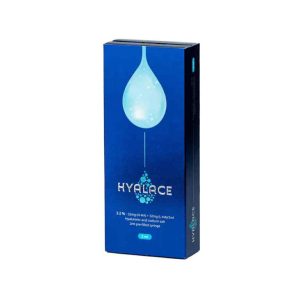
Most clinics in Little Rock offer reputable alternatives to traditional Botox. Nabota is a highly purified neuromodulator that is manufactured using advanced purification technology. It offers comparable clinical efficacy and duration to traditional Botox, often at a more affordable price. Botulax is another well-regarded alternative, providing smooth, natural-looking results with a similar safety profile. Both are FDA-approved and widely used by experienced practitioners in Arkansas. Patients seeking high-quality results without the premium brand markup often opt for these options. Contact a local provider today to discuss your options and find the right fit for your skin.
Who is a good candidate for Botox?
Ideal candidates are adults who are in good general health and have realistic expectations. Most patients start considering treatment when fine lines first become visible, usually in their late twenties or thirties. Common reasons for seeking treatment include deep forehead creases or crow’s feet. However, a consultation is necessary to confirm candidacy. Certain neurological conditions, pregnancy, breastfeeding or active skin infections at the injection site may disqualify you from receiving injections.
Are Botox injections painful?
Most patients report that Botox injections feel like a quick, minor pinch. The needles used are incredibly fine — typically 30 or 32 gauge — and much smaller than those used for blood tests. Providers use various techniques to minimise discomfort. They may apply a topical anaesthetic cream or use ice packs to cool the skin beforehand. While pain tolerance varies from patient to patient, the process is generally very well tolerated and lasts only a few minutes.
What are the side effects and safety risks of Botox?
The most commonly reported mild side effects are temporary redness, slight swelling and minor bruising at the injection site. These usually clear up within a few hours to a couple of days. Rare but serious risks include muscle weakness beyond the treatment area, drooping eyelids and difficulty swallowing. Choosing a qualified, licensed provider can significantly minimise the risk of complications. Always review the official FDA safety guidelines before proceeding with any injectable treatment to understand all potential risks.
How soon will you see the results of your Botox treatment?
You will usually start to see initial results within three to five days of your appointment. However, the muscle relaxation process is not instantaneous. Full results usually develop over the following 10–14 days. This is why providers advise waiting a full two weeks before assessing the final outcome or arranging a top-up appointment. The time it takes to see results can vary based on your metabolism, muscle strength, and the specific dosage used.
How long do Botox results last?
On average, patients can expect the results to be visible for
three to four months. As nerve endings regenerate, muscle movement slowly returns and wrinkles begin to reappear. Factors such as high levels of physical activity, a fast metabolism and frequent facial expressions can affect longevity. Follow-up sessions every three to four months help to maintain consistent, smooth results over time and can prevent new static wrinkles from forming.
How should you prepare for your Botox treatment?
Proper preparation will ensure the best possible outcome and reduce the risk of bruising. Follow these steps in the days leading up to your appointment. Avoid taking blood-thinning medications such as aspirin and ibuprofen, as well as certain supplements, for at least 48 hours beforehand, unless they have been prescribed by your doctor. Do not consume alcohol for at least 24 hours before your treatment. Arrive with a clean face, free of all make-up and skincare products.
Frequently Asked Questions About Botox In Arkansas
How much does Botox cost in Arkansas?
The cost of Botox in Arkansas is generally between $10 and $15 per unit. A typical treatment requires 20–40 units, bringing the average session cost to $300–$600. Prices can vary depending on the provider’s expertise and the specific treatment area.
Are Botox injections painful?
Botox injections cause minimal discomfort. Most patients describe the sensation as a quick, mild pinch that only lasts a few seconds. To ease the process and ensure a comfortable experience, providers routinely use ice or topical numbing cream.