
Botox In Louisiana Complete: Guide To Safe And Effective Treatment
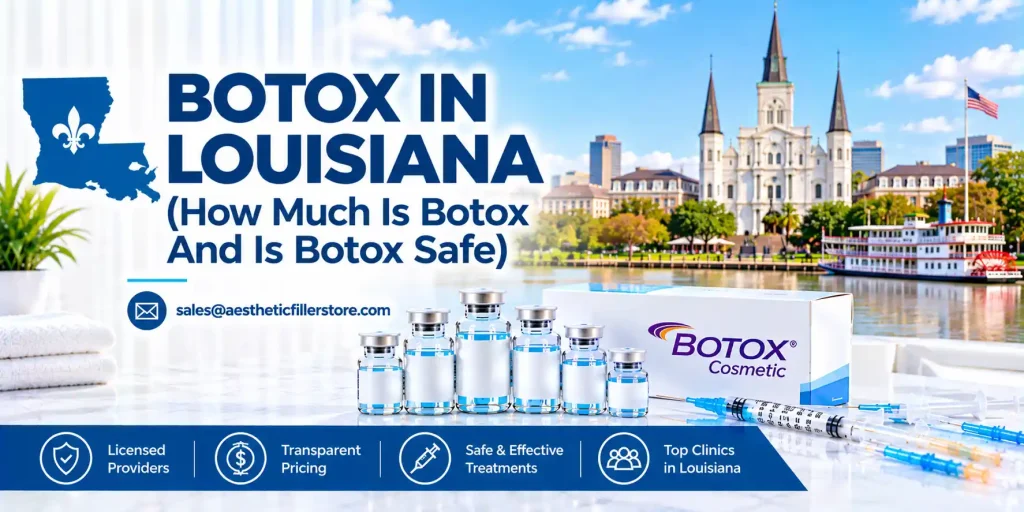
Botox is the most popular non-surgical cosmetic treatment in Louisiana, with thousands of residents in New Orleans, Baton Rouge and Lafayette using it to reduce wrinkles, control excessive sweating and lift their brows. But before booking your first appointment, you need answers to some important questions.
How much does Botox cost in Louisiana? Who can legally administer it? What results can you realistically expect? This guide covers state-specific regulations, pricing, safety and tips for choosing a provider, so you can make an informed decision.
Table of Contents
Request a Wholesale Quote in ( Location)
Are you buying for your clinic or aesthetic practice? Contact us today to find out more about our competitive bulk pricing on Botox, dermal fillers, skin boosters, mesotherapy products, needles and cannulas.
Shipping & Delivery
We make ordering professional aesthetic products simple and reliable:
- Fast processing and secure packaging for every order.
- Temperature-sensitive products are handled with appropriate care where required.
- Tracking information is provided once your order is dispatched.
- Bulk and wholesale shipping options are available for larger orders.
- Contact our team for international shipping availability and delivery estimates.
-
Skin Booster
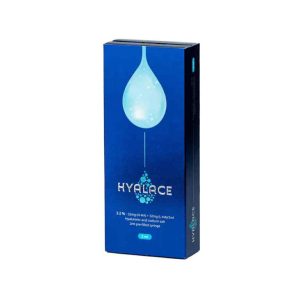
Aeshilo H + L Dual HA (1×2.5ml) – Derma Fillers
Rated 5.00 out of 5$134.00Original price was: $134.00.$124.00Current price is: $124.00. Add to cart -
Skin Booster
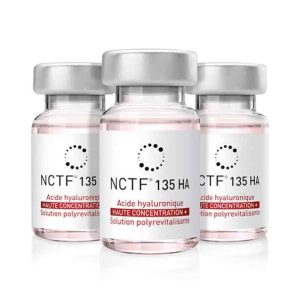
Buy Fillmed NCTF 135HA Mesotherapy Skin Booster 5x
$245.00Original price was: $245.00.$235.00Current price is: $235.00. Add to cart -
Skin Booster
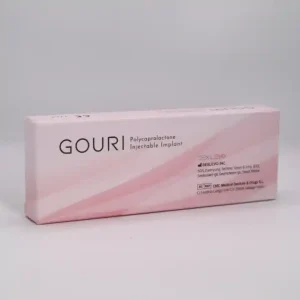
Buy Gouri Polycaprolactone Injectable Implant 1mL
$200.00Original price was: $200.00.$140.00Current price is: $140.00. Add to cart -
Skin Booster
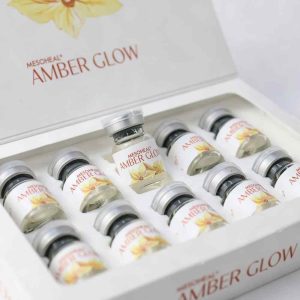
Buy MESOHEAL® Amber Glow 10x5ml Vials | Pro Supply
$220.00Original price was: $220.00.$165.00Current price is: $165.00. Add to cart
Key Takeaways
- Botox in Louisiana costs $10–$25 per unit, with full treatments ranging from $200–$800 depending on the area and brand.
- Only licensed medical professionals (physicians, NPs, RNs under supervision, or PAs) can legally inject Botox in Louisiana—estheticians cannot.
- Results last 3–6 months, but metabolism, muscle strength, and brand choice affect duration.
- Louisiana clinics often offer discounts—ask about first-time patient specials, loyalty programs, or referral bonuses.
- Avoid “frozen face” results by choosing a provider who uses conservative dosing and modern techniques.
- Botox is FDA-approved for wrinkles but also used off-label for jaw slimming, migraines, and excessive sweating.
Botox in Louisiana
Botox is a popular treatment among Louisiana residents looking to reduce wrinkles, soften frown lines or manage excessive sweating. Med spas and dermatology clinics in New Orleans, Baton Rouge and Shreveport offer treatments for forehead lines, crow’s feet, frown lines (“11s” between the brows), bunny lines (nose wrinkles) and excessive sweating (hyperhidrosis), as well as jaw tension (TMJ).
However, before booking a treatment, it is important to find out how much Botox costs in your area, who is legally permitted to administer it and who is not, what to expect during and after the procedure, and how to identify a reputable provider in Louisiana.
How much does Botox cost in Louisiana?
The price of Botox in Louisiana depends on three key factors: the number of units used (most treatments require 20–50 units); the experience of the provider (board-certified dermatologists may charge more than nurse injectors); and the location of the clinic (urban areas like New Orleans often have higher rates). Forehead lines typically require 10–20 units, costing $100–$500; Dysport may cost 20% less than Botox®.
Crow’s feet usually require 10–15 units, costing $100–$375; Xeomin is often cheaper per unit. Frown lines (11s) generally require 20–30 units, costing $200–$750; some clinics offer package deals for multiple areas. Bunny lines on the nose typically require 5–10 units, costing $50. , and are rarely treated alone.
– Excessive sweating treatments often require 50 to 100 units, costing between $500 and $2,500. Insurance may cover the cost of medically necessary treatment.
– Jaw slimming for TMJ may require 25 to 50 units, costing between $250 and $1,250. Off-label results last between three and four months.
Where to find Botox providers in New Orleans
Although New Orleans has dozens of med spas and dermatology clinics, not all providers are equal. To evaluate a top-rated clinic, check that it employs licensed medical professionals such as physicians, nurse practitioners (NPs) or registered nurses (RNs) under supervision. Also check that it provides before-and-after photos of real patients rather than stock images, and that it has 4.5+ star reviews on Google or Yelp with detailed feedback. A good provider will also offer transparent pricing with costs disclosed upfront and a consultation-first approach, where they assess your goals before injecting.
Red flags to avoid
Avoid clinics that do not display a medical licence, fail to provide credentials upon request, pressure you to book immediately instead of offering an initial consultation, make unrealistic promises such as ‘Botox will make you look ten years younger’, or fail to provide genuine before-and-after photos of real patients and instead use stock images.
Are there any Botox special offers available in Louisiana?
Many Louisiana clinics offer discounts to attract new patients or reward loyal clients. First-time patient specials typically provide 10–20% off through med spa websites, Instagram or email newsletters. Seasonal promotions offer $5–$10 off per unit during events such as ‘Summer Glow’ in May or ‘New Year Refresh’ in January.
Loyalty programmes provide free units after multiple treatments, such as ‘Buy 50 units, get 10 free’ at some Baton Rouge clinics. Referral bonuses offer $50–$100 off through promotions such as ‘Refer a friend, get $50 off your next treatment’ in Lafayette. Membership pricing provides 15–25% off through monthly programmes at high-end med spas, which sometimes cost $99 per month.
Who can legally inject Botox in Louisiana?
In Louisiana, Botox injectors are required to hold the appropriate medical licence. Physicians (MD/DO) are permitted to administer Botox independently, while nurse practitioners (NP) can administer Botox under physician supervision. Registered nurses (RN) must complete Botox certification training and work under physician supervision.
Physician assistants (PA) must hold a Louisiana licence and work under physician supervision. Estheticians are restricted to non-medical services such as facials and peels, rather than medical injections. Medical assistants (MA) are limited to administrative assistance, rather than administering Botox injections.
Do you need to be a registered nurse to perform Botox in Louisiana?
No, but RNs must work under the supervision of a physician, hold a valid Louisiana nursing licence and complete a Botox certification course, such as one offered by the American Academy of Facial Esthetics. They must also ensure that a supervising physician is either on site or on call. This is because unlicensed injectors can cause serious complications, such as drooping eyelids and uneven results. Furthermore, Louisiana has cracked down on illegal Botox parties and unlicensed providers.
Can estheticians inject Botox in Louisiana?
No, estheticians in Louisiana are only licensed to perform non-medical skincare treatments such as facials, chemical peels, microdermabrasion and waxing. They are not permitted to inject Botox or fillers, perform laser treatments or prescribe medication.
What is Botox?
Botox is a prescription medication made from botulinum toxin type A, a purified neurotoxin produced by the bacterium Clostridium botulinum. In small, controlled doses, it temporarily relaxes muscles to smooth dynamic wrinkles, such as crow’s feet and forehead lines. It can also be used to treat medical conditions such as migraines, excessive sweating and temporomandibular joint (TMJ) disorder.
Botox® contains onabotulinumtoxinA and is most effective for treating forehead lines, crow’s feet and frown lines. It costs between $12 and $25 per unit, takes 3–7 days to take effect and lasts 3–6 months. Dysport® contains abobotulinumtoxinA and is most effective for treating the forehead and larger areas.
It costs between $8 and $15 per unit, takes 2–5 days to take effect and lasts 3–5 months. Xeomin® contains incobotulinumtoxinA.botulinum toxin A, and is best for treating crow’s feet and patients who are allergic to additives. It costs $10–$20 per unit, takes 4–7 days to take effect, and lasts 3–6 months.
What is the Botox procedure like?
A Botox appointment is quick and minimally invasive, typically taking 10–30 minutes. This includes a 5–10 minute consultation, during which your provider will assess your facial muscles, discuss your goals and mark the injection sites with a washable marker. Next comes the preparation stage, which takes 2–5 minutes.
During this time, the area is cleaned with alcohol and an optional numbing cream may be applied to reduce discomfort. Then comes the injection stage, which takes 5–15 minutes. During this time, a tiny needle will deliver Botox into the targeted muscles. Most patients feel mild pinching or stinging, similar to a bug bite.
Finally, there is a 2–5 minute post-treatment stage. During this time, ice may be applied to reduce swelling, and you will receive aftercare instructions, such as avoiding rubbing the area.
Is there any downtime after Botox?
While most patients can return to normal activities immediately, there are a few temporary restrictions. You can drive yourself home and apply make-up after four hours, as well as resume light exercise such as walking.
How does Botox work?
Botox works by blocking the nerve signals that cause muscles to contract when you frown, for example, temporarily relaxing the injected muscles so that they cannot move as forcefully, which allows wrinkles to soften. The effects last for three to six months, during which time the muscles gradually regain movement. The results are not permanent and require touch-ups to maintain them. Botox is also limited in its effectiveness against static wrinkles caused by sun damage, for which fillers may be a better option.
What conditions does Botox address?
Botox is approved by the FDA for cosmetic and medical use. Cosmetic uses include treating forehead lines, frown lines (11s), crow’s feet around the eyes, and bunny lines on the nose. Medical uses include treating chronic migraines (31 or more headache days per month), excessive sweating (hyperhidrosis) in the underarms, hands, and feet, and an overactive bladder. Botox can also be used to reduce urinary urgency and to treat muscle spasms, such as eyelid twitching, cervical dystonia, and jaw clenching (TMJ), by relaxing the masseter muscles.
How safe is Botox?
Botox is FDA-approved and generally safe when administered by a licensed, trained practitioner. However, like any medical procedure, it carries some risks. These include common, mild and temporary side effects such as bruising or swelling at the injection site, headaches that usually resolve within 24–48 hours, mild pain or redness, and rare flu-like symptoms. There are also rare but serious risks, such as drooping eyelids (ptosis), which usually last a few weeks; uneven results if injected improperly; and extremely rare allergic reactions.
What results can you expect from Botox?
Results may vary depending on individual metabolism, muscle strength and the area being treated. Mild swelling or bruising may occur within 24–48 hours after treatment. Initial wrinkle smoothing typically appears within 3–7 days and full results are usually visible within 10–14 days. The effects gradually fade over 3–6 months. Stronger muscles may require more units and faster metabolisms may break down Botox more quickly. Forehead lines may last longer than crow’s feet.
What should you know before getting Botox?
To prepare mentally and physically, it is important to set realistic expectations. Botox softens wrinkles, but it will not erase deep lines or sagging skin. Avoid taking blood-thinning medications such as aspirin, ibuprofen and fish oil for 24–48 hours before treatment to reduce the risk of bruising. Stay hydrated to help your skin recover faster and avoid alcohol, as this increases the risk of bruising.
Will Botox make your face look frozen or unnatural?
A frozen look is a common concern, but modern Botox techniques focus on natural movement. You can avoid this by starting with a low dose and having a skilled practitioner test small amounts on specific muscles first. Not all wrinkles need treatment, and some movement is natural. Choose an experienced practitioner who tailors the dose to your facial anatomy and looks for results that allow you to smile, frown and raise your eyebrows naturally with softened wrinkles rather than complete disappearance.
What is the difference between Botox and dermal fillers?
Botox uses botulinum toxin type A to relax muscles and smooth wrinkles, while dermal fillers use hyaluronic acid, calcium hydroxylapatite or poly-L-lactic acid to add volume and fill lines and sagging. Botox is typically used to treat the forehead, crow’s feet and frown lines, and lasts 3–6 months. Fillers are used to treat the cheeks, lips, nasolabial folds and under-eyes, and last 6–24 months depending on the type of filler used. Botox involves minimal downtime, while fillers may cause mild swelling or bruising for 1–3 days. In Louisiana, Botox costs $10–$25 per unit, compared with $500–$2,000 per syringe for dermal fillers.
Frequently Asked Questions About Botox In Louisiana
Is Botox painful?
Most patients describe Botox injections as mildly uncomfortable, like a quick pinch or bug bite, with discomfort lasting only a few seconds per injection, and you can reduce pain by asking for numbing cream applied 15–30 minutes before treatment, using ice before and after treatment, and choosing a skilled injector who can perform the injections quickly to minimize discomfort.
Can you get Botox while pregnant or breastfeeding?
No, the FDA classifies Botox as a category C drug, meaning its safety during pregnancy and breastfeeding has not been established. Most providers therefore recommend waiting until after breastfeeding.
What happens if you stop getting Botox?
If you stop having Botox injections, your muscles will gradually regain movement and wrinkles may reappear. However, there is generally no long-term damage because your skin will return to its pre-Botox state. There is also no rebound effect, meaning that your wrinkles will not get worse just because you have stopped the treatment.