
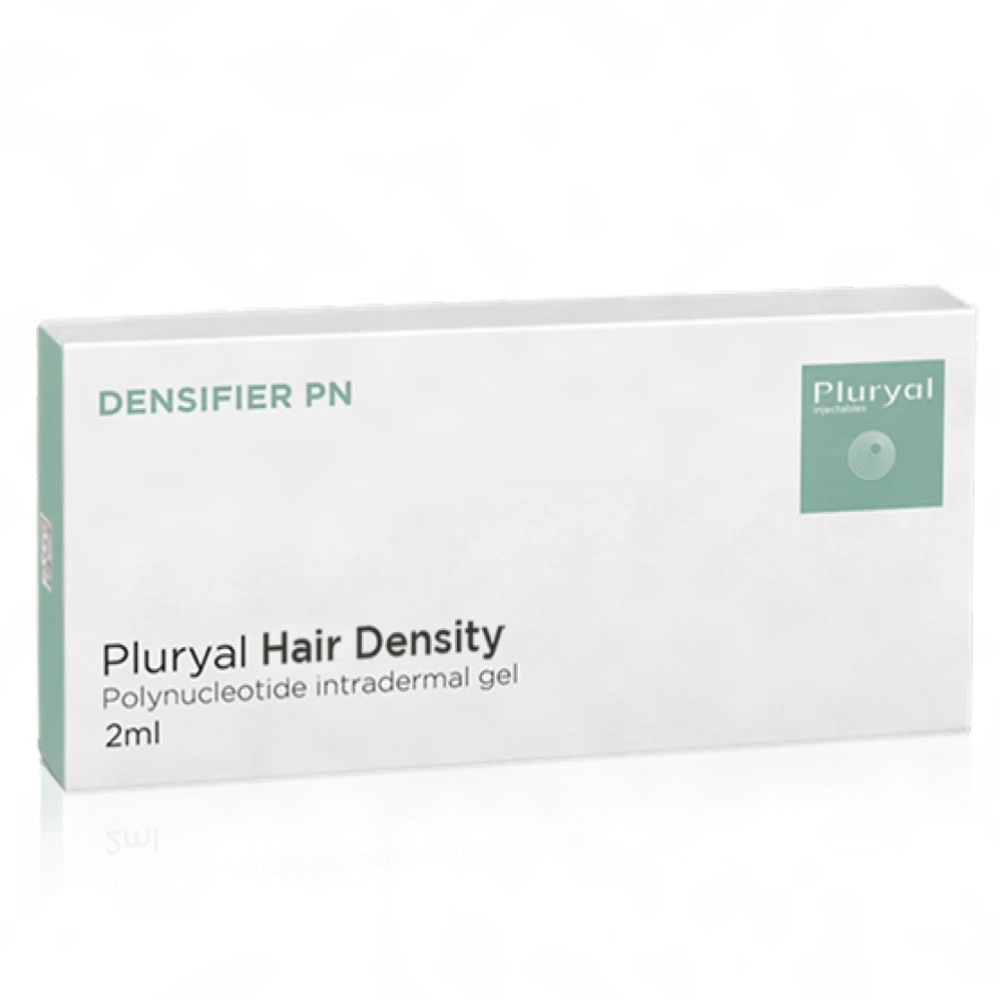
Pluryal Hair Density 1x2ml Syringe | Pro Use Only.
Original price was: $148.00.$130.00Current price is: $130.00.
Product Overview
Pluryal Hair Density is an advanced injectable mesotherapy gel developed by MD Skin Solutions in Luxembourg. Formulated with patented HPN (Highly Purified Nucleotides) technology, this professional-grade solution is designed to nourish hair follicles, strengthen the scalp and support hair health.
Each package contains one pre-filled 2 ml syringe and two sterile 30 G x 13 mm needles, providing licensed aesthetic and healthcare practitioners with a complete, ready-to-use system.
Key features and potential benefits
- Utilises patented HPN technology to deliver highly purified polynucleotides for targeted follicle support.
- It contains a specialised blend of caffeine, panthenol and glycerine to help hydrate and nourish the scalp.
- It is designed to support the scalp environment and promote thicker, healthier-looking hair.
- It is suitable for professional intradermal application to the scalp, eyebrows and beard areas.
- It is a CE-marked medical device, manufactured under strict international ISO 13485 quality standards.
Product specifications
Intended application: Intradermal injection by licensed professionals for scalp and hair follicle support.
Intended for professional use only
Storage and handling
Why purchase Pluryal Hair Density?
What Is Pluryal Hair Density and How Does It Work?
Pluryal Hair Density is a specialized aesthetic injectable formulated to rejuvenate the scalp matrix and support natural hair retention. Developed by European aesthetic laboratories, this biostimulatory treatment targets the underlying structural environment of the scalp rather than simply coating the hair shaft. Unlike topical cosmetic serums that remain on the skin surface, this solution is delivered directly into the dermal layer of the scalp through micro-injections.
Here is the thing: hair follicles require a rich supply of nutrients, oxygen, and cellular signals to sustain active growth. When microcirculation declines or cellular stress increases, follicles shrink and produce progressively thinner strands. Pluryal Hair Density addresses this degradation by delivering active biostimulatory compounds directly around the follicle roots, restoring the extracellular matrix and creating optimal conditions for hair production.
Key Ingredients and Scalp Biostimulation
The clinical efficacy of Pluryal Hair Density relies on its dual-action active formulation. The primary active component consists of highly purified polynucleotides (PN). Polynucleotides are DNA fractions derived from natural sources that act as biological repair agents. When introduced into the dermal tissue, polynucleotides bind water molecules, clear damage-causing free radicals, and stimulate fibroblast activity. This process enhances tissue hydration and encourages new micro-capillary formation around suffering hair follicles.
The secondary active component is non-crosslinked hyaluronic acid (HA). Hyaluronic acid acts as an immediate deep-hydration reservoir within the scalp tissue. It expands the extracellular space, reduces localized inflammation, and facilitates the efficient transport of essential nutrients to the hair bulbs. Together, polynucleotides and hyaluronic acid transform dry, compromised scalp skin into a healthy, highly vascularized environment capable of supporting stronger hair growth.
Who Is the Ideal Candidate for Scalp Biorevitalization?
Pluryal Hair Density is specifically engineered for individuals experiencing early to moderate hair thinning who still possess active, viable hair follicles. It serves as an effective intervention for men and women noticing diffuse thinning across the crown, widening hair parts, or increased daily shedding triggered by stress, hormonal fluctuations, or aging.
However, scalp biorevitalization has biological limits. It cannot regenerate hair follicles that have completely shriveled or vanished due to advanced androgenic alopecia. Individuals with long-standing baldness, complete scalp scarring, or severe autoimmune alopecia are not suitable candidates. A professional scalp examination using a dermatoscope is recommended to verify follicle viability before purchasing treatment packages.
Expected Results, Timeline, and Session Protocols
Achieving noticeable improvements in hair density requires patience and adherence to a structured treatment protocol. Hair growth is a slow biological process governed by distinct growth cycles. While scalp hydration improves within days of administration, structural changes in hair diameter and coverage develop over several months as new hair shafts mature within the revitalized follicles.
Let me explain. During the initial treatment phase, the biostimulant works quietly beneath the surface to repair tissue and enhance blood flow. Patients should not expect an immediate surge of new hair after a single appointment. Clinical satisfaction depends heavily on completing the entire recommended protocol rather than stopping after one or two initial sessions.
Treatment Schedule and Maintenance Requirements
The standard clinical protocol for Pluryal Hair Density begins with an intensive loading phase. Practitioners typically schedule three to four initial injection sessions spaced two to three weeks apart. This repeated administration maintains high concentrations of biostimulatory signals within the scalp tissue, ensuring continuous cellular repair and capillary growth.
Following the loading phase, patients enter a maintenance phase to sustain their visual improvements. Because the body gradually metabolizes hyaluronic acid and polynucleotides over time, maintenance treatments are usually recommended every five to six months. Skipping maintenance sessions allows the scalp matrix to return slowly to its baseline state, leading to a gradual resumption of hair thinning.
| Treatment Phase | Recommended Schedule | Primary Clinical Goal | Expected Visual Outcome |
|---|---|---|---|
| Loading Phase | 3 to 4 sessions, spaced 2 to 3 weeks apart | Activate cellular repair, boost microcirculation, and deeply hydrate scalp tissue | Reduced daily shedding, improved scalp comfort, and reduced dryness |
| Progressive Phase | 1 to 2 months post-loading completion | Support hair shaft thickening and encourage dormant follicle reactivation | Improved hair texture, increased strand elasticity, and subtle density gains |
| Maintenance Phase | 1 session every 5 to 6 months | Maintain matrix health and sustain long-term follicle vascularization | Preserved hair coverage, sustained density, and healthy scalp condition |
Patients who follow this structured schedule routinely report higher satisfaction levels. Clinical trials examining polynucleotide biostimulation confirm that structured protocols yield measurable improvements in scalp hydration and hair shaft diameter. You can review published clinical scalp research examining polynucleotide mechanisms to understand the cellular data supporting these outcomes.
Comparing Pluryal Hair Density with Alternative Scalp Treatments
Evaluating hair restoration options requires comparing efficacy, convenience, invasive level, and overall financial investment. Pluryal Hair Density occupies a unique space between topical daily solutions and invasive surgical procedures, offering strong biostimulatory benefits without surgical recovery time.
So what does this look like in practice? To choose the best pathway for your specific goals, it helps to analyze how Pluryal Hair Density compares directly against other popular treatments currently available in aesthetic clinics.
Pluryal Hair Density vs PRP Therapy
Platelet-Rich Plasma (PRP) therapy is another common injectable scalp treatment. PRP involves drawing a patient’s blood, spinning it in a centrifuge to isolate concentrated platelets, and injecting those growth factors back into the scalp. While both treatments aim to stimulate hair follicles, their sourcing and consistency differ significantly.
PRP relies entirely on the patient’s internal biological health, meaning platelet quality and growth factor concentration vary based on age, diet, stress, and underlying health conditions. In contrast, Pluryal Hair Density delivers a standardized, pharmaceutical-grade concentration of polynucleotides and hyaluronic acid in every syringe. This manufacturing consistency ensures predictable biostimulatory potency regardless of the patient’s systemic health variations.
Pluryal Hair Density vs Hair Transplants and Topical Minoxidil
Topical treatments like Minoxidil require rigorous twice-daily application for life. While Minoxidil effectively promotes blood flow, many users experience scalp irritation, greasy hair residue, or compliance fatigue over time. Pluryal Hair Density eliminates daily application stress by providing concentrated treatments administered weeks apart in a clinical setting.
Hair transplant surgery physically relocates healthy hair grafts from donor zones to bald areas. Surgery is the only definitive option for restoring coverage on completely bald skin. However, transplants involve high upfront costs, surgical downtime, and potential donor area depletion. Pluryal Hair Density serves as a non-surgical alternative that protects existing native hair, making it ideal for patients who want to avoid surgery or enhance their scalp tissue quality before considering a transplant.
Understanding these distinctions helps set proper expectations. For comprehensive guidance on medical diagnosis and treatment selection, consult established dermatology clinic guidance before purchasing injectable packages.
Safety Profile, Side Effects, and US Regulatory Considerations
Safety is a primary concern for anyone considering cosmetic injectable procedures. Pluryal Hair Density features a highly favorable safety profile due to the biocompatible nature of its ingredients. Polynucleotides and hyaluronic acid are naturally accepted by human tissue, minimizing the risk of severe foreign-body reactions or tissue rejection.
The real question is: what should you expect immediately after an injection appointment? Administration involves multiple superficial micro-injections across the affected scalp areas. Patients typically experience mild localized swelling, small raised bumps (papules) at injection sites, and temporary redness. These transient reactions are completely normal and generally resolve within 24 to 48 hours as the gel diffuses into the dermal tissue.
Common Side Effects and Post-Treatment Aftercare
Serious adverse events are extremely rare when the procedure is performed by a qualified healthcare professional using sterile techniques. Mild side effects are temporary and easily managed with proper aftercare. Patients should avoid touching, rubbing, or scratching the treated scalp area for at least twelve hours post-treatment to prevent introducing bacteria into micro-injection channels.
| Side Effect Severity | Observed Symptoms | Expected Duration | Recommended Management |
|---|---|---|---|
| Common / Mild | Localized papules, minor redness, mild swelling, tenderness | 24 to 48 hours post-injection | Keep scalp clean, avoid touching, apply cold compresses if advised |
| Uncommon / Moderate | Minor pinpoint bruising, temporary mild scalp tightness | 3 to 5 days post-injection | Avoid strenuous exercise, saunas, and direct heat exposure |
| Rare / Seek Care | Severe pain, persistent heat, spreading redness, purulent discharge | Requires immediate clinical evaluation | Contact treating clinician promptly for assessment and guidance |
Following basic aftercare instructions ensures smooth healing. Patients should refrain from washing their hair with hot water or harsh chemical shampoos for twenty-four hours after treatment. Swimming pools, saunas, intense workouts, and direct sunlight exposure should also be avoided for two days to minimize infection risks and reduce inflammation.
From a regulatory standpoint in the United States, consumers must understand how imported aesthetic injectables are classified. Pluryal products hold European CE mark approval as sterile medical devices for aesthetic biostimulation. In the US, aesthetic clinicians may use imported CE-marked biostimulants within professional cosmetic medicine practices. However, consumers should confirm that their provider sources authentic products through verified channels and complies with state medical board administration rules. You can review official safety guidance on cosmetic devices and biostimulatory products for detailed regulatory context.
Buyer Guide: Pricing, Sourcing, and Provider Selection
Navigating the market for Pluryal Hair Density requires careful attention to pricing structures, product authenticity, and provider qualifications. Because treatment costs vary based on geographic location, clinic reputation, and package inclusions, commercial buyers should evaluate options based on overall value and safety rather than choosing the lowest price available.
In the US market, a single session of Pluryal Hair Density typically ranges from $400 to $800, depending on the treatment area size and clinic location. Complete loading packages comprising three to four sessions generally range between $1,200 and $2,800. Beware of online offers selling unverified syringes directly to consumers at heavily discounted rates, as these frequently involve expired, counterfeit, or improperly stored products.
Red Flags and Sourcing Verification
Injectable biostimulants must be manufactured, shipped, and stored under strict sterile conditions. Purchasing unverified products from unauthorized online vendors poses severe health risks, including bacterial contamination, tissue necrosis, or severe inflammatory reactions. Genuine Pluryal products feature tamper-evident packaging, lot numbers, and official manufacturer verification labels.
When selecting a treatment provider, prioritize licensed medical professionals with extensive experience in aesthetic scalp treatments and hair restoration. Dermatologists, plastic surgeons, and specialized aesthetic nurse practitioners possess the anatomical knowledge necessary to administer injections at the correct dermal depth without damaging deeper nerve structures or blood vessels.
| Provider Evaluation Factor | Positive Indicator (Green Flag) | Warning Sign (Red Flag) |
|---|---|---|
| Credentials & Licensing | Board-certified dermatologist, plastic surgeon, or licensed aesthetic clinician | Unlicensed technicians operating in non-medical settings |
| Consultation Approach | Conducts thorough scalp evaluation and checks follicle viability before selling | Guarantees immediate 100% hair regrowth without scalp examination |
| Product Transparency | Opens sealed, tamper-evident product box in front of the patient | Uses pre-filled syringes without visible brand or lot identification |
| Post-Care Support | Provides comprehensive written aftercare instructions and follow-up care | Offers no follow-up support or guidance for managing side effects |
Choosing a reputable practitioner ensures both safety and cosmetic satisfaction. To review established professional standards in scalp care and restoration, consult published resources from hair restoration standards organizations.
Frequently Asked Questions About Pluryal Hair Density
How many sessions of Pluryal Hair Density are required?
Most patients require an initial loading protocol of three to four sessions spaced two to three weeks apart. Maintenance treatments are recommended every five to six months to preserve improved hair density and scalp health.
Is the injection procedure painful?
Injections involve mild discomfort. Most clinicians apply a topical numbing cream to the scalp thirty minutes prior to treatment, making the micro-injections well-tolerated by most patients.
How quickly will I see results from Pluryal Hair Density?
Reduced hair shedding and improved scalp hydration are typically noticed within three to four weeks. Visible improvements in hair thickness and volume develop over two to three months as hair cycles progress.
Can Pluryal Hair Density be combined with other hair treatments?
Yes. Pluryal Hair Density can be safely combined with topical Minoxidil, low-level laser therapy, or oral nutritional supplements under the guidance of a qualified healthcare provider.
Related products
-
Skin Booster
Profhilo H + L Skin Booster 2ml Pre-Filled Syringe
Original price was: $135.00.$130.00Current price is: $130.00. Add to cart -
Skin Booster
Aeshilo H + L Dual HA (1×2.5ml) – Derma Fillers
Original price was: $134.00.$124.00Current price is: $124.00. Add to cart -
Skin Booster
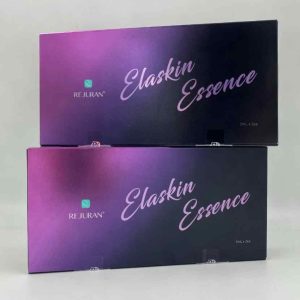
Rejuran Elaskin Essence 2ml x 2 Syringes | Shop US
Original price was: $299.00.$199.00Current price is: $199.00. Add to cart -
Skin Booster
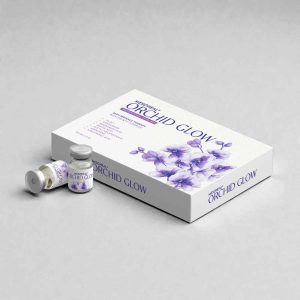
Mesoheal Orchid Glow 10x5ml Aesthetic Skin Booster
Original price was: $250.00.$170.00Current price is: $170.00. Add to cart
Reviews
There are no reviews yet.